Blog

Maneki Neko Feng Shui Meaning: The Beckoning Cat Wealth Luck Guide
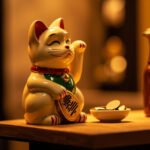
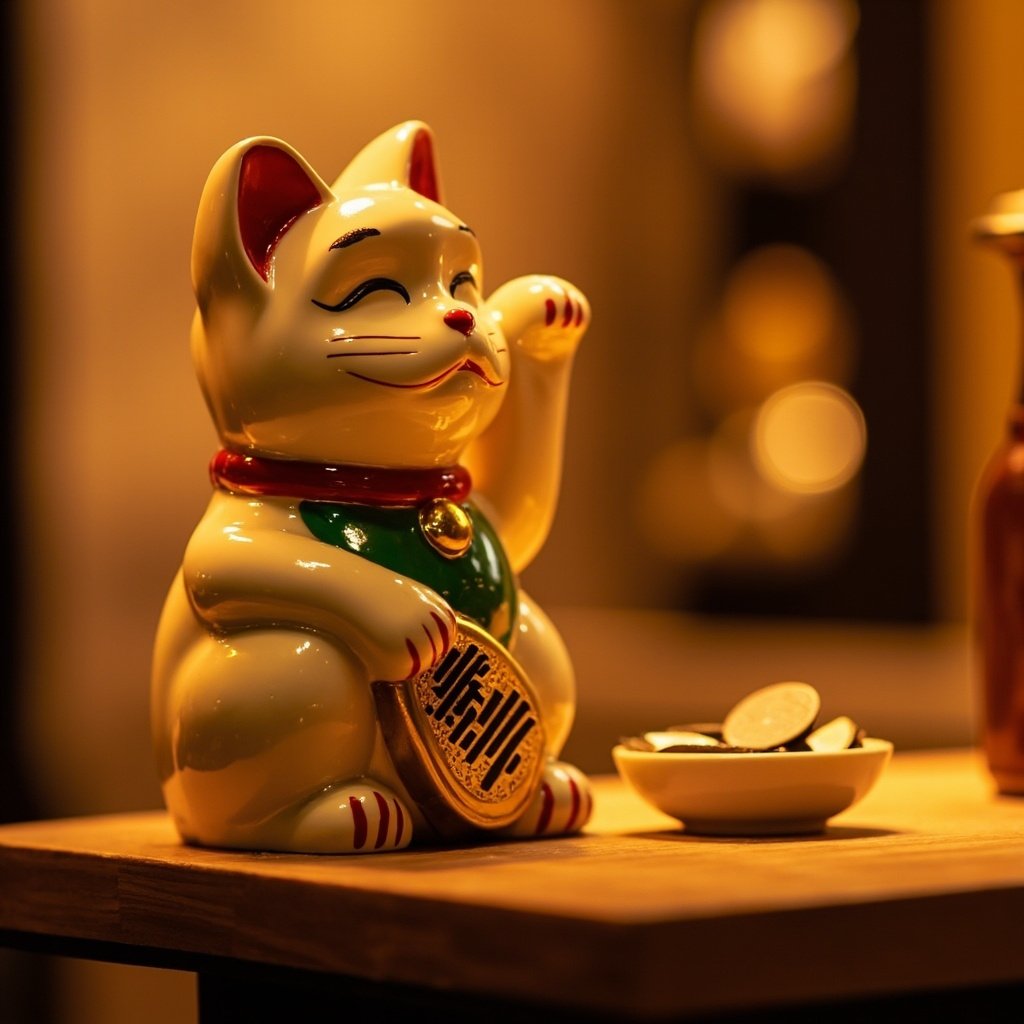
Walk into almost any Chinese or Japanese shop and you will meet the same small figure: a plump ceramic cat with one paw raised, a red collar around its neck, and a gold coin pressed against its belly. Western visitors call it a lucky cat, but its real name is maneki neko — the beckoning cat. That raised paw is not waving goodbye; it is calling good fortune inward. In feng shui practice the gesture turns a decorative figurine into a working wealth tool, and the details of which paw is up, what colour it wears, and where it sits determine what it actually attracts.
What Is a Maneki Neko?
A maneki neko is a figurine of a cat sitting upright with one front paw lifted beside its ear. The traditional reading is a gesture of invitation — the feline equivalent of a host bowing and saying “please, come in.” The cat almost always holds a koban, an oval gold coin from the Edo period of Japan, against its chest or belly. That coin is why the figure became a prosperity symbol rather than a simple pet ornament.
The form spread across East Asia and settled into Chinese households and businesses, merging with older customs around wealth deities and shop guardians. Today it stands alongside the money toad, the pixiu, and the wealth bowl as a recognised prosperity object in the feng shui toolkit.
The Legend Behind the Beckoning Cat
The most enduring story tells of a poor monk living in a small temple with nothing but a cat for company. One stormy afternoon a wealthy lord was caught in the rain nearby. As he passed the temple gate, he saw the cat lifting one paw and beckoning him forward. Curious, he stepped inside for shelter. Moments later, lightning struck the exact spot where he had been standing.
Grateful to be alive, the lord became the temple’s patron and the temple prospered. The cat had saved a life and drawn abundance to a struggling community. That double meaning — rescue and reward — is why the maneki neko protects both safety and wealth, not merely money.
Reading the Paw: Left, Right, or Both
The most important detail to check before buying a beckoning cat is which paw is raised. The two positions are not interchangeable.
- Right paw raised — wealth, business income, and money flowing into a household or shop. Choose this when prosperity is the primary intention.
- Left paw raised — inviting people: customers, guests, opportunities, and helpful relationships. Popular for storefronts and social spaces.
- Both paws raised — a modern variant combining wealth and human connection. Traditional practitioners consider single-paw figures more focused and therefore more effective.
Some traditions reverse the two readings, so the safest rule is to decide your intention first, then buy the figure that visually matches it.
What the Details Mean
Every element on a maneki neko carries a meaning. Understanding them helps you choose a well-made figure.
- The collar and bell — a red collar with a bell echoes the harness of a treasured household cat. In feng shui terms it represents protection and the sound that clears stagnant energy from a space.
- The koban coin — the gold oval pressed to the belly is a direct wealth statement, representing money that stays close to the body rather than slipping away.
- The bib or apron — decorated with plum blossoms, pine, or waves, these motifs signal resilience, longevity, and steady fortune.
- The raised paw height — a higher paw reads as a larger invitation; a subtler one suits a quiet home.
Maneki Neko Colours and Their Intentions
Colour is the fastest way to tune a beckoning cat to a purpose. The classic white and gold figure is the most versatile, but each variation carries its own message.
- White — purity, good fortune, and general luck. The all-purpose choice for a home.
- Gold — direct wealth attraction and financial abundance. Best for shops, home offices, and business spaces.
- Black — protection from misfortune and negative influences, not bad luck as Western visitors assume.
- Red — health and vitality, drawing on the same protective symbolism as cinnabar and red silk cords.
- Pink — romance, love, and harmonious relationships.
- Green — academic success, steady growth, and family wellbeing.
Where to Place a Beckoning Cat
Placement decides whether a wealth symbol works or simply sits there. Prosperity objects belong near the point where energy enters a space, because that is where opportunity arrives.
- Near the entrance, facing the door — the classic location. The cat eyes the incoming flow, beckoning opportunity inward. Keep it off the floor.
- On a shop counter or reception desk — a raised position keeps the gesture visible and active.
- The wealth corner — in ba gua practice the far-left corner from the entrance is the wealth sector. A gold cat there reinforces financial intention.
- Never in the bathroom or kitchen — these areas drain the energy a prosperity symbol collects.
- Never facing away from the entrance — a cat with its back to the door beckons your own energy out.
Caring for Your Beckoning Cat
Treat a maneki neko as a working tool, not a forgotten ornament. Dust it regularly, because accumulated dust is accumulated stagnation, and keep it at or above waist level. If it was consecrated when you obtained it, keep it away from the bathroom and laundry area so the blessing is not washed away.
Tian Xing Perspective: Why the Cat Works
From the Tian Xing Feng Shui view, a maneki neko is a deliberate act of attention. Celestial schools emphasise that human awareness shapes the energy of a space, so a daily glance at a symbol of invitation keeps the intention of receiving alive. The cat does not manufacture luck; it focuses attention on openings and chances already passing by — which is why placement matters more than the price of the figurine.
Frequently Asked Questions
Which paw should a maneki neko raise?
Raise the right paw for wealth and business income, and the left for inviting customers, guests, and opportunities. Some traditions swap the two, so decide your intention first and buy the figure that matches it visually.
Can I keep a maneki neko in the bedroom?
It is better kept in shared, active spaces such as the entrance, living room, or workspace. Bedrooms are for rest, and a wealth-attracting figure is a stimulus rather than a calming presence.
What should I do with a broken beckoning cat?
Retire it respectfully, wrap it in cloth, and thank it before disposal. A cracked prosperity symbol should not remain on display, as it reads as damaged fortune.
Bringing the Beckoning Cat Home
The maneki neko earns its place in feng shui because it does something rare among prosperity symbols: it is friendly. It does not demand, threaten, or guard — it invites. Placed near an entrance, cleaned regularly, and chosen with a clear intention, the beckoning cat becomes a daily reminder that opportunity is something you welcome rather than chase. Choose your paw deliberately, match your colour to your purpose, and set it where the energy of your home begins — then let its small raised paw keep calling abundance toward your door.