Have you ever walked into a house and immediately felt a sense of peace? Or entered a space that made you feel uneasy, even though ever...
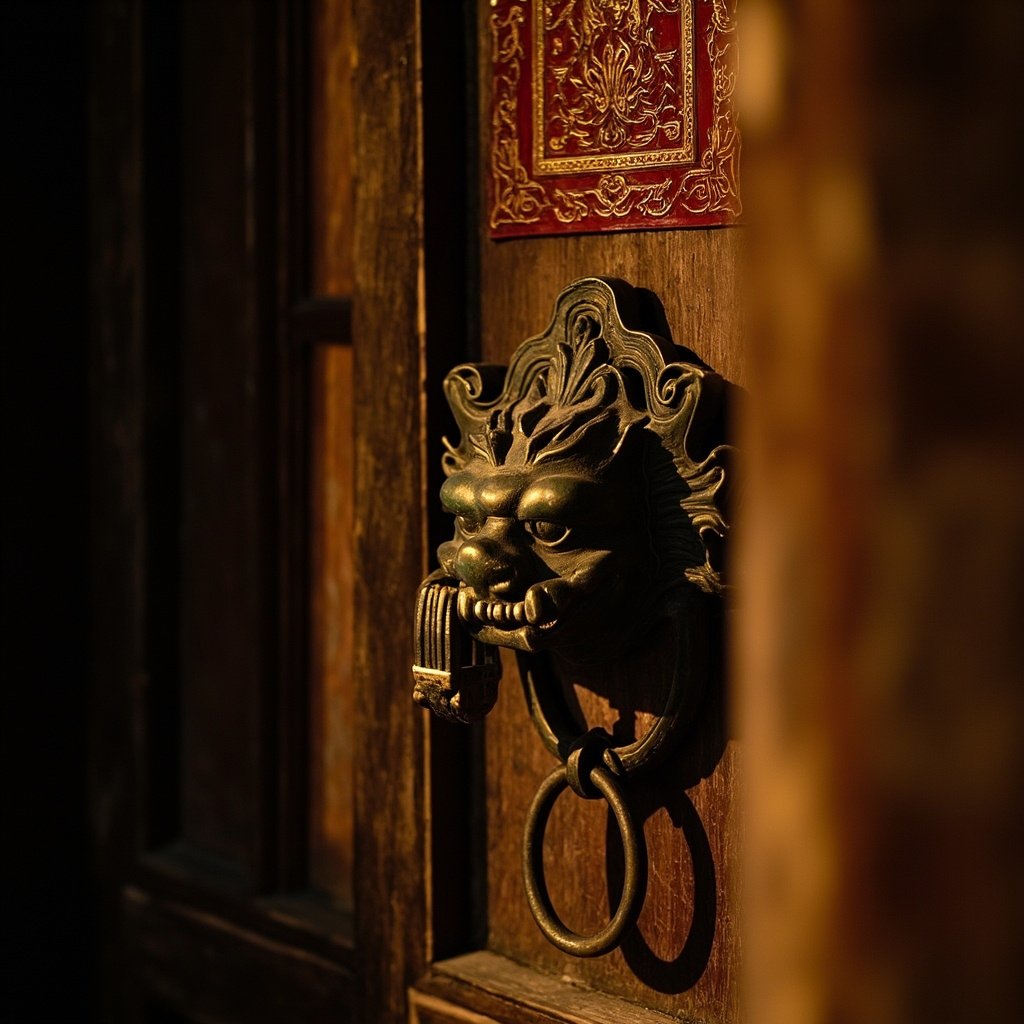
A Chinese door knocker is more than hardware. Learn the pushou beast face, the three-knock greeting, and where a knocker belongs for good feng shui at home.
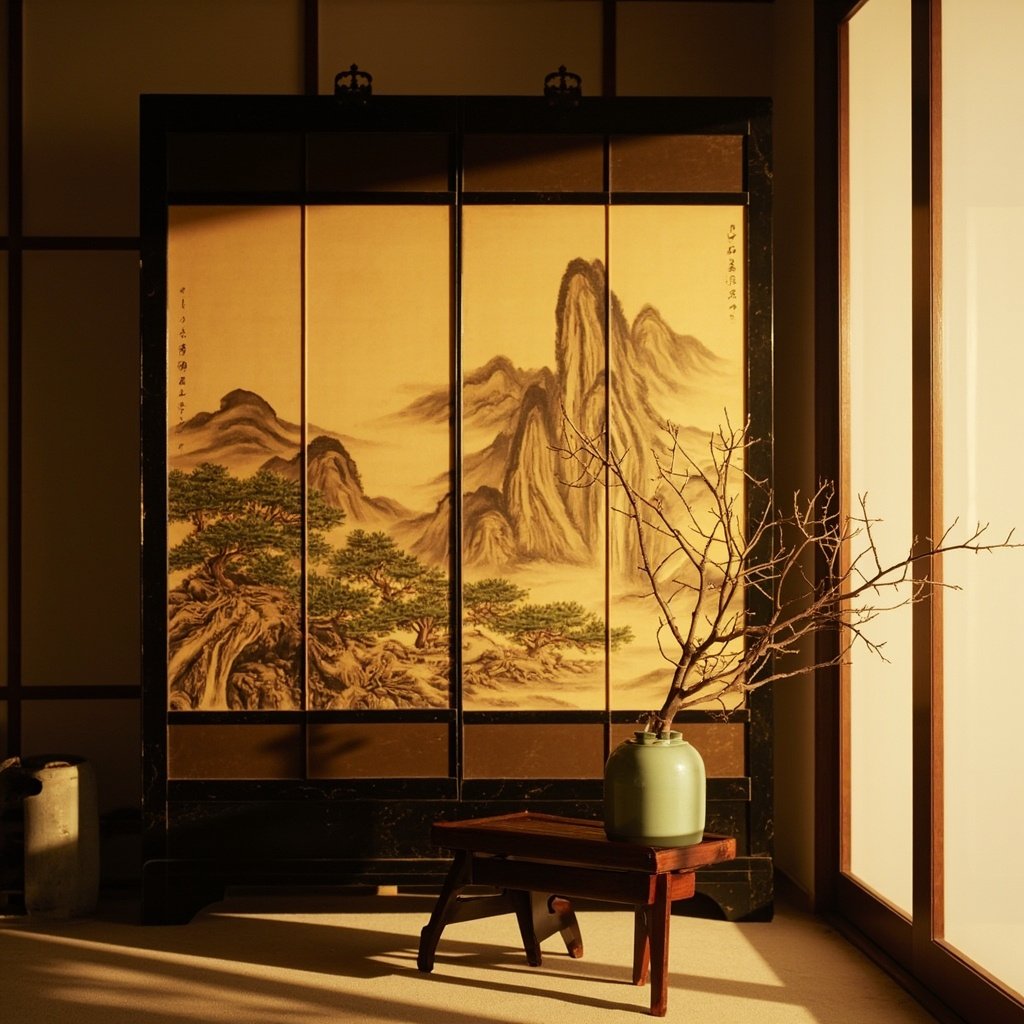
A Chinese folding screen does not block chi, it bends it. Learn where a room divider belongs, which panel motifs work, and the placement mistakes to avoid.
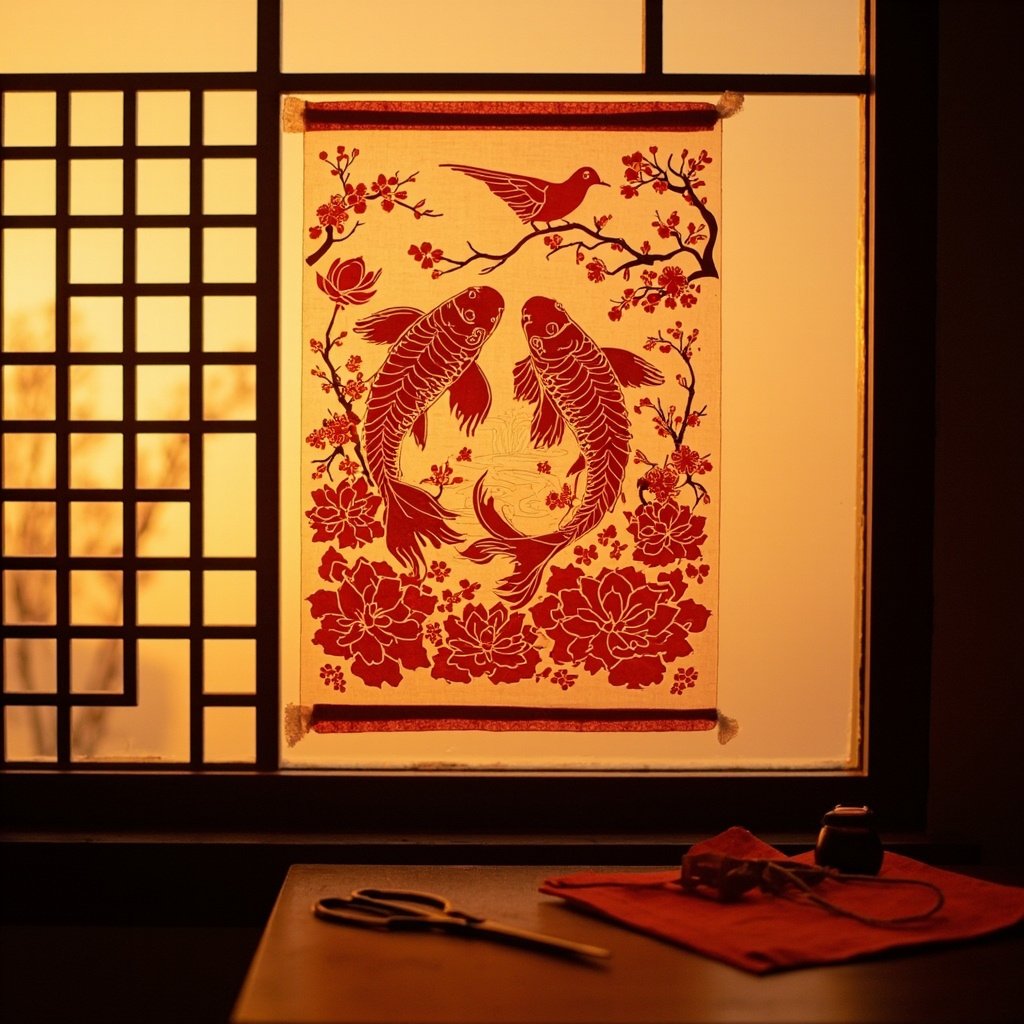
Chinese paper cutting works by removal: the void lets light and chi through. Learn jianzhi symbolism, window placement rules, symmetry and renewal timing.
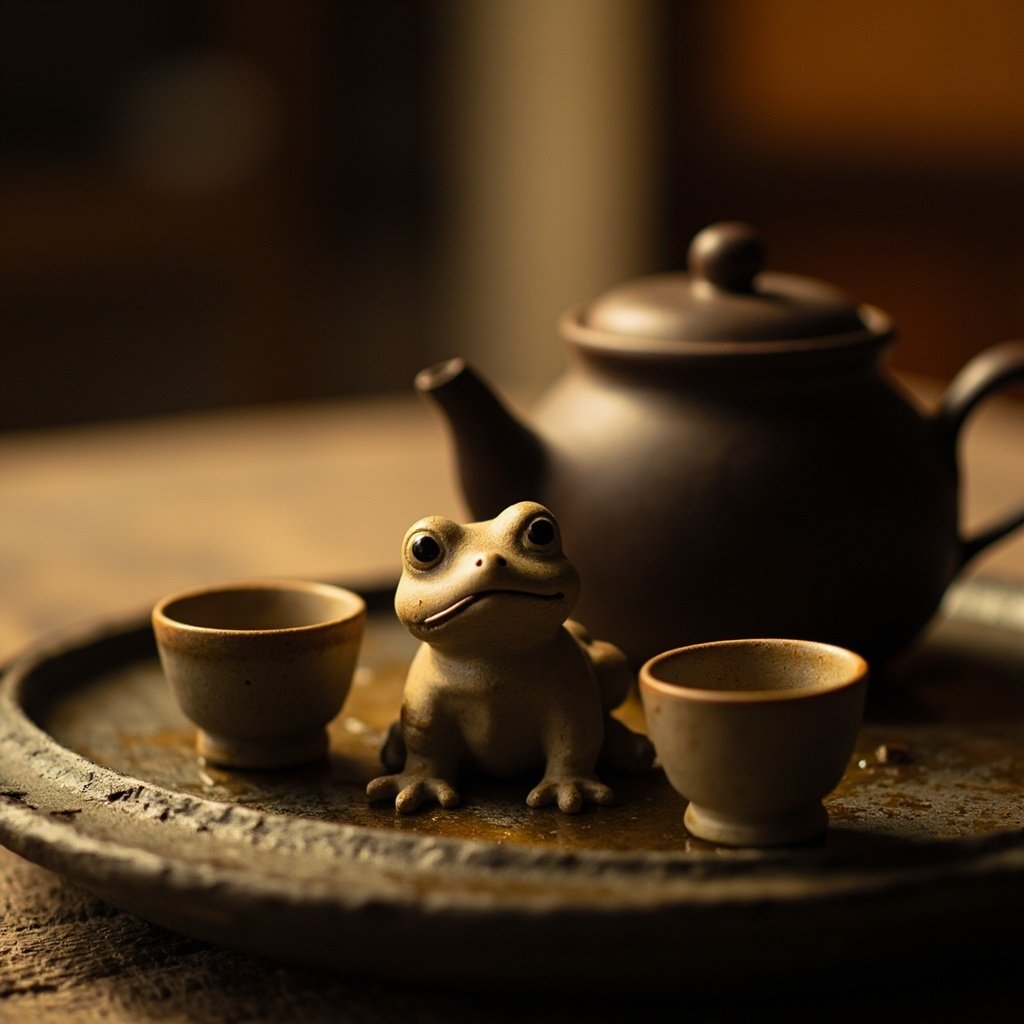
A Chinese tea pet is a small clay figurine nourished by tea for years until it wears a soft patina. Learn its feng shui meaning, placement and daily care.
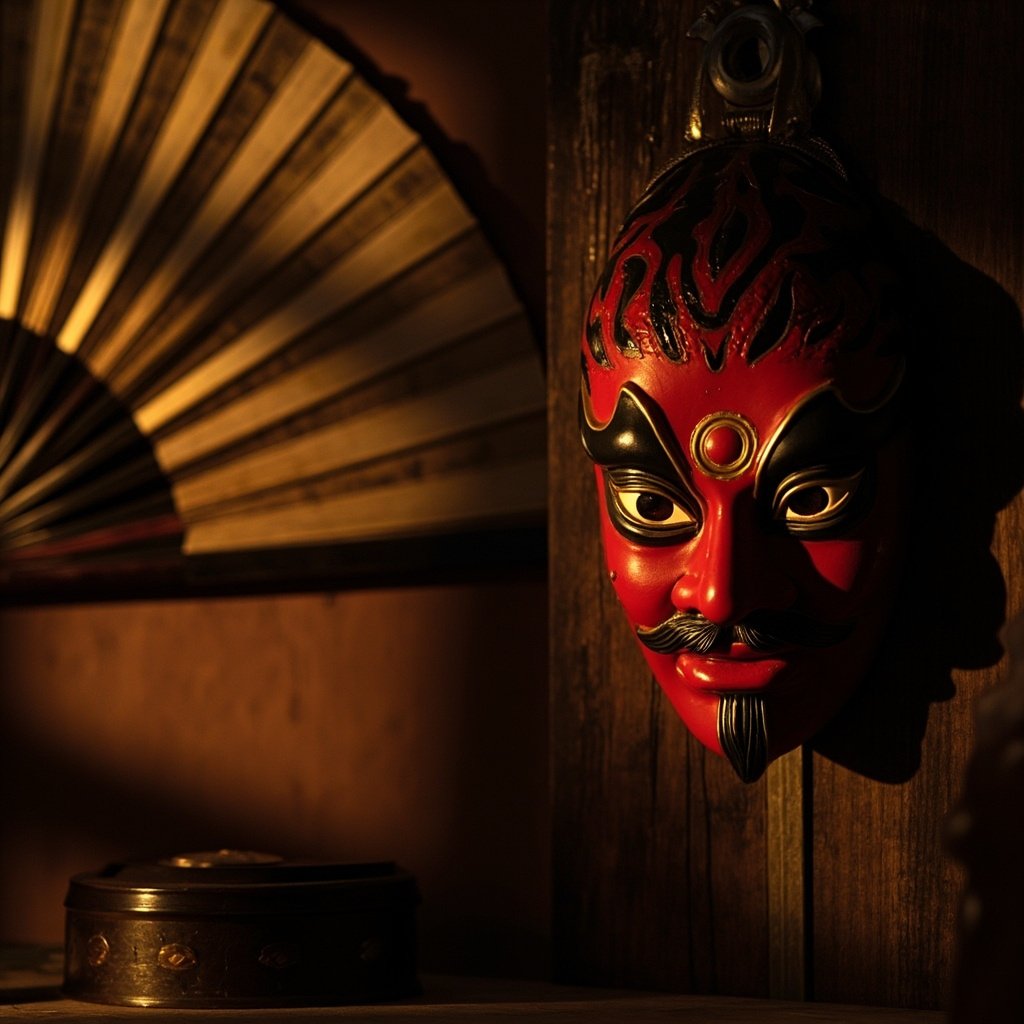
A Peking opera mask is a painted face, not a disguise. Learn how its colors map to the five elements, what each archetype guards, and where to hang one well.
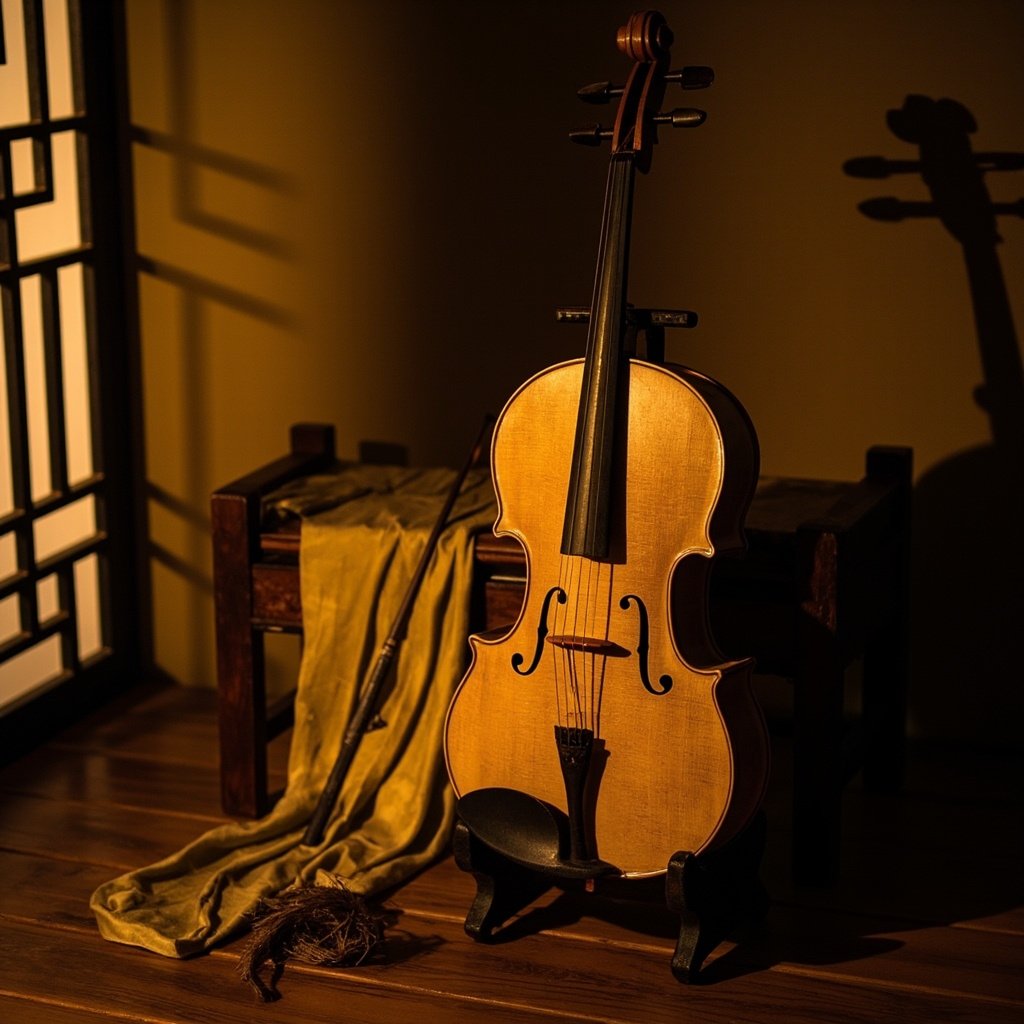
The erhu holds two strings for heaven and earth. Learn how its fretless voice, python-skin soundbox and placement rules shape the flow of chi in a house.
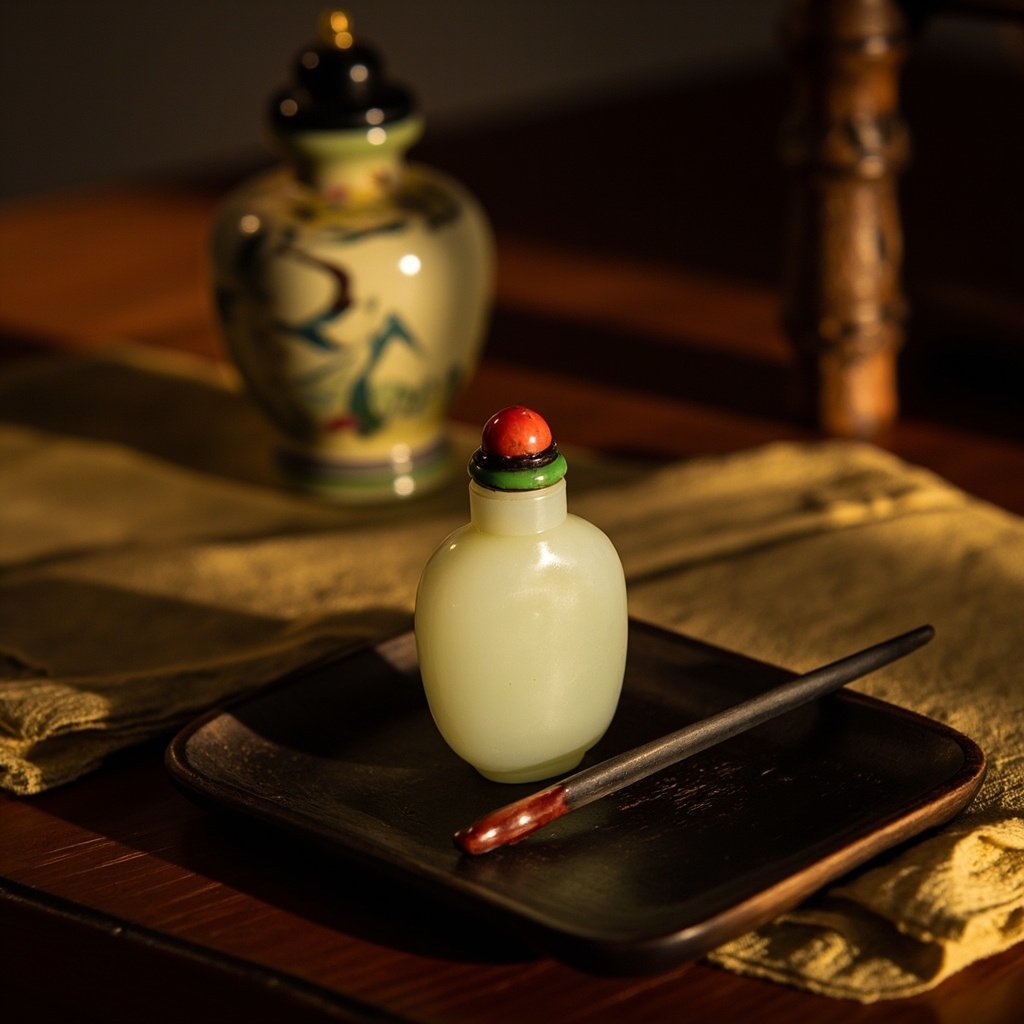
A Chinese snuff bottle is a palm-sized vessel that holds qi. Learn its feng shui meaning, shape language, material elements, and where to display it well.
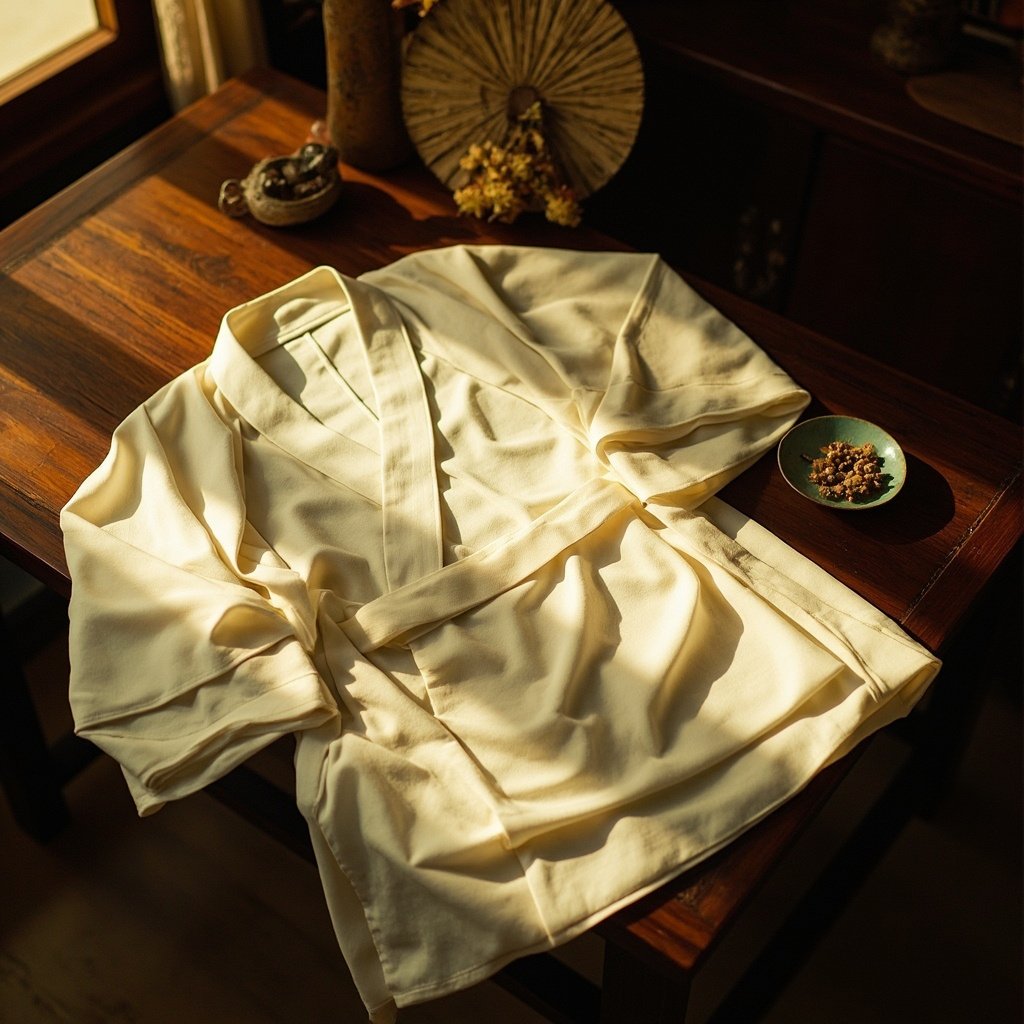
Hanfu feng shui meaning explained: how the crossed collar, layered cut and element colours of Chinese traditional dress shape personal qi and daily balance.
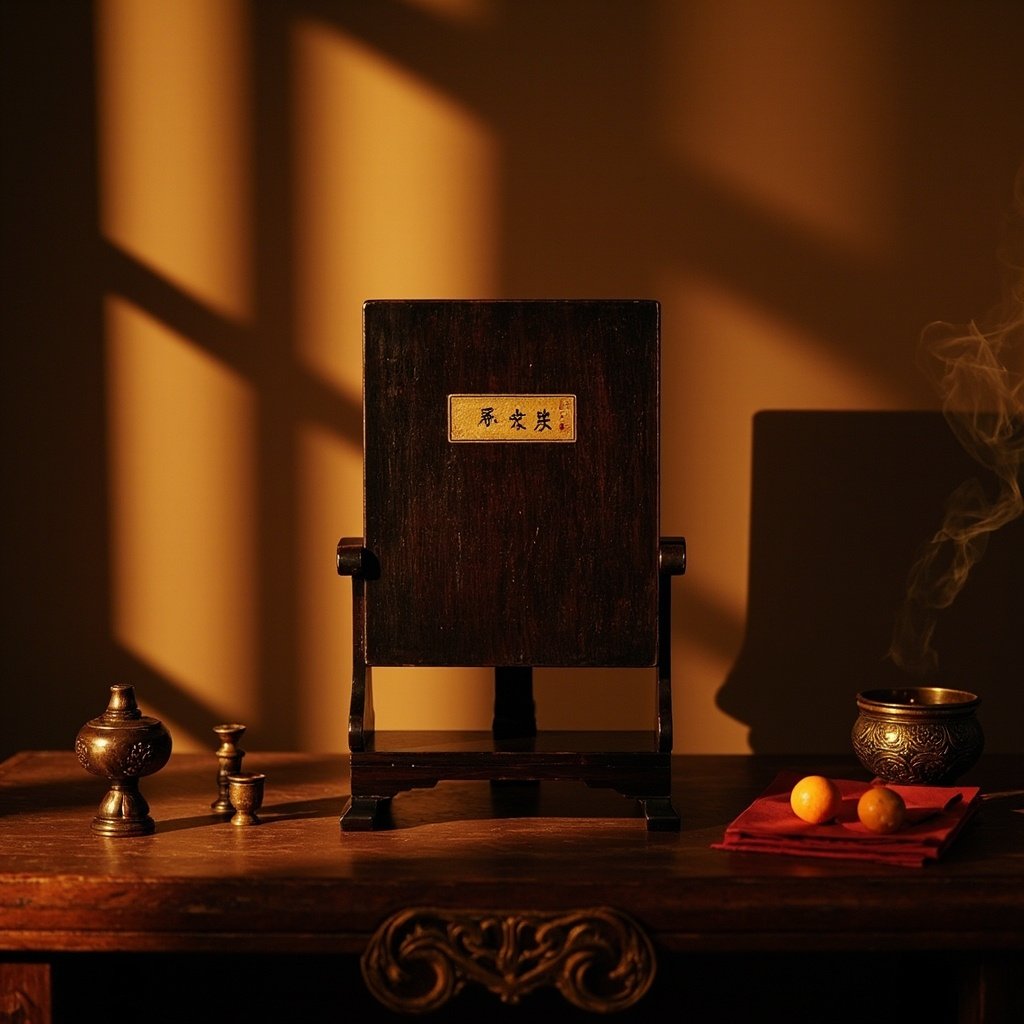
An ancestral tablet is a lineage anchor rather than decor. Learn how Chinese spirit tablets work, where they belong, and how they shape the qi of a home.
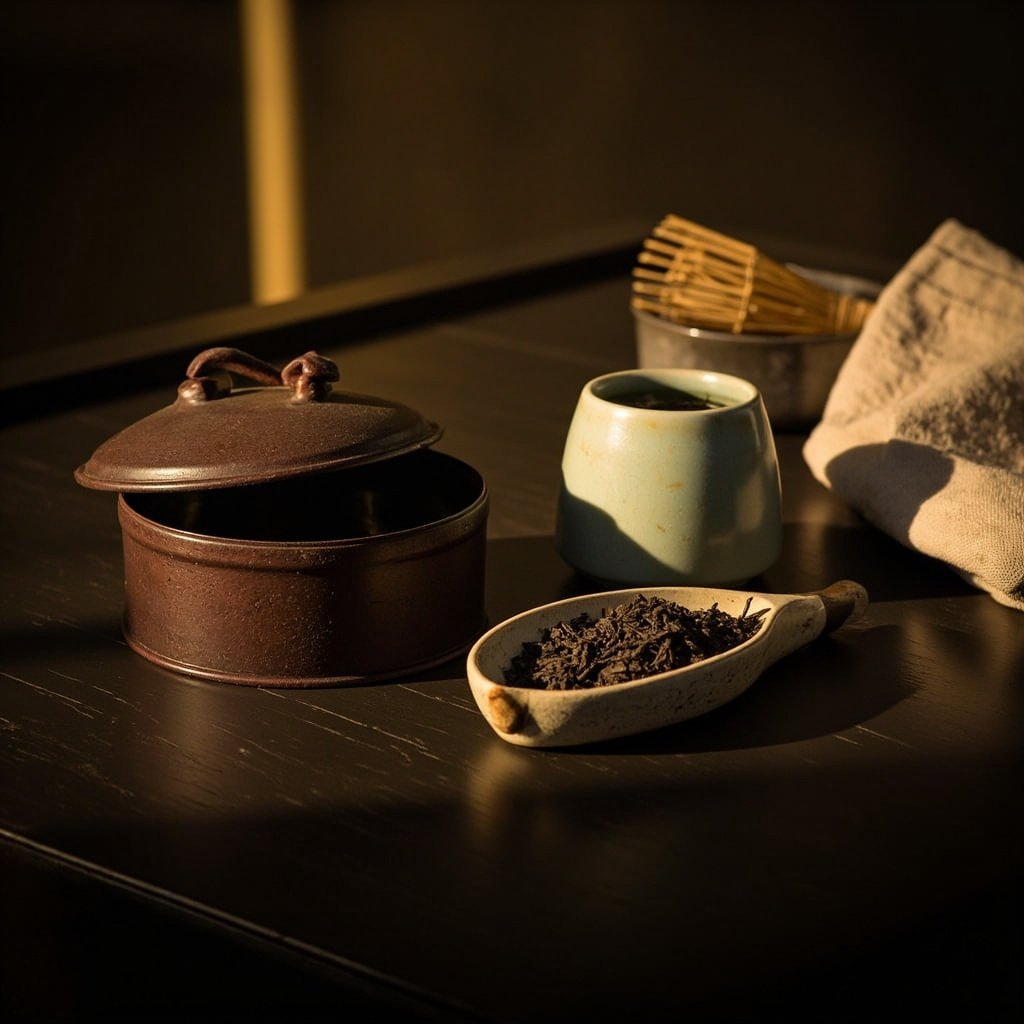
A Chinese tea caddy is more than storage. Learn how the sealed vessel protects tea qi, which material suits which element, and where to place it in the home.