Blog

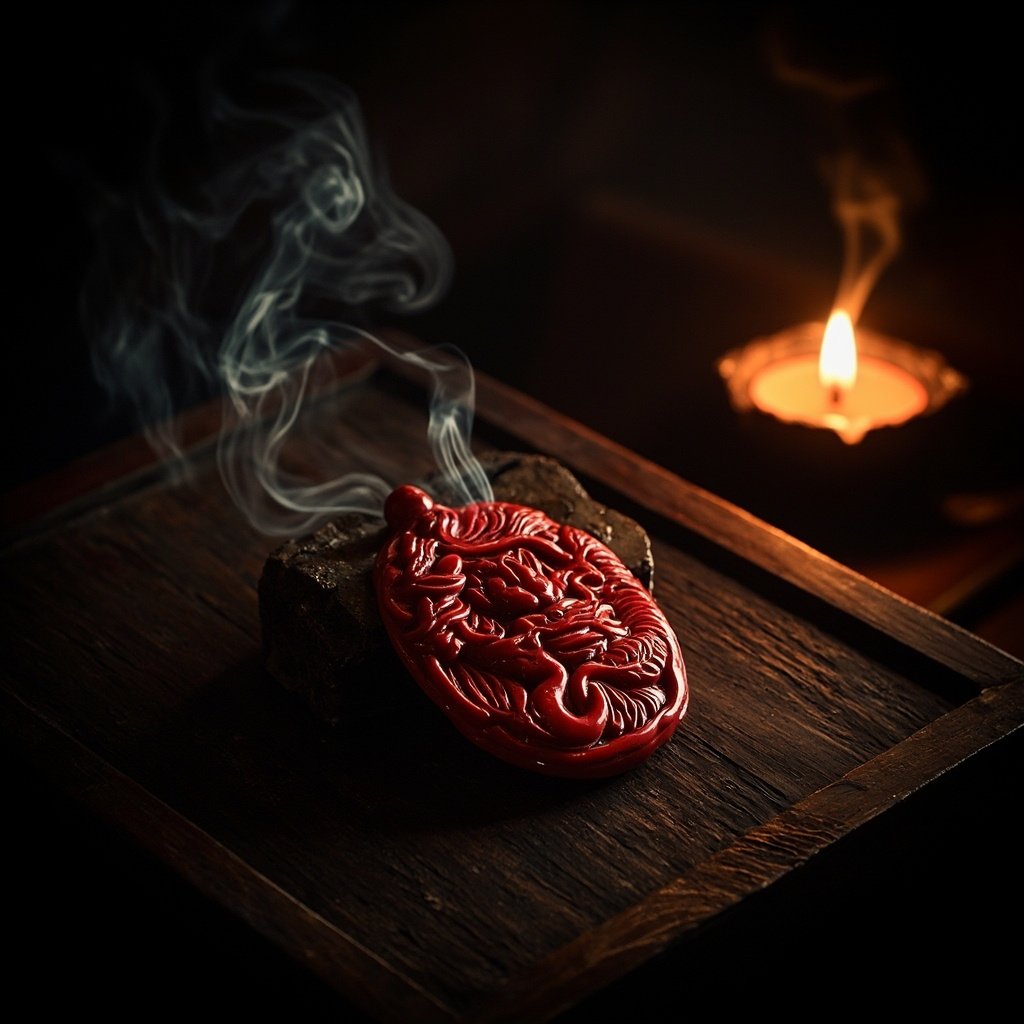
**Cinnabar feng shui** is not merely a decorative trend–it is a profound tradition rooted in over seven centuries of Taoist practice. As the 7th-generation inheritor of the Tianxin Feng Shui lineage, I have dedicated my life to preserving the ancient wisdom that transforms cinnabar from a simple mineral into a vessel of spiritual power. For generations, my ancestors have used this sacred red stone to protect homes, consecrate statues, and amplify positive energy. In this article, I will share the authentic history, sacred uses, and practical guidance for harnessing cinnabar’s protective force, drawing directly from the teachings passed down through my lineage since the Yuan dynasty.
What Is Cinnabar and Why Taoists Revere It
Cinnabar, known in classical texts as “zhu sha,” is a naturally occurring mercury sulfide mineral with a vibrant, blood-red hue. Unlike ordinary stones, cinnabar has been venerated in Taoist alchemy and feng shui for millennia. Its color symbolizes life force, vitality, and the yang energy that wards off negativity. In the Tianxin Feng Shui tradition–which traces its roots back 700 years to the Song dynasty–cinnabar is considered the “blood of the earth,” a substance that bridges the material and spiritual realms. My grandfather often said that cinnabar holds the memory of the earth’s core, making it uniquely capable of storing and transmitting pure intentions. When properly consecrated, it becomes a living talisman, radiating protective energy that aligns with the Taoist principle of harmony between heaven, earth, and humanity.
The reverence for cinnabar extends beyond its physical properties. In Taoist rituals, it is used to write talismans, seal sacred documents, and consecrate statues. The mineral’s natural mercury content, while requiring careful handling, is believed to absorb negative qi and transform it into positive energy. This is why, in my lineage, we never use synthetic substitutes. Only natural cinnabar, sourced from mines in China’s Hunan province, is deemed worthy for spiritual work. The deep red powder, when mixed with rice wine or herbal oils, becomes a medium for channeling celestial energy during ceremonies.
The Sacred Role of Cinnabar in Kai Guang Consecration
One of the most sacred applications of cinnabar in the Tianxin Feng Shui tradition is the Kai Guang ceremony–a ritual of “opening the light” that animates statues, talismans, and amulets. Without cinnabar, Kai Guang is incomplete. The process begins with a purified space, incense, and a statue of a deity such as Guan Yu, the God of Wealth, or the Medicine Buddha. As the 7th-generation inheritor, I have performed hundreds of these ceremonies, each time using cinnabar paste to dot the eyes, forehead, and heart of the statue. This act symbolizes the infusion of divine presence, transforming a mere object into a living conduit of spiritual power.
The cinnabar used in Kai Guang must be blessed through a three-day meditation and chanting sequence. My lineage prescribes specific mantras from the Tianxin Taoist canon, which invoke the Five Thunder Gods to seal the consecration. The red paste is applied with a brush made from wolf hair, and each dot corresponds to a celestial point on the statue’s body. After the ceremony, the cinnabar-infused statue becomes a guardian of the home or temple, actively repelling evil spirits and attracting auspicious energy. This is why, at yihui.store, every cinnabar product we offer has undergone a similar consecration process, ensuring its spiritual efficacy.
Cinnabar Talismans and Amulets at yihui.store
At yihui.store, we offer three carefully crafted cinnabar products that embody the power of the Tianxin lineage. The first is the Cinnabar Protection Talisman, a hand-painted amulet on mulberry paper, sealed with cinnabar ink and consecrated during a full moon ceremony. This talisman is designed to shield your home from negative energy, accidents, and malicious spirits. I recommend placing it above the main door or in the living room’s wealth corner. The second product is the Cinnabar Pixiu Pendant, a carved cinnabar figure of the celestial beast Pixiu, known for attracting wealth and repelling harm. Worn as a necklace or carried in a pouch, this pendant activates the wearer’s protective aura. The third is the Cinnabar Seal of Blessing, a small cinnabar stamp engraved with the Tianxin talisman for health and longevity. Use it to stamp red ink on envelopes, calendars, or personal items to invite continuous good fortune.
Each of these products is made with natural cinnabar sourced from ethical mines and handcrafted by artisans trained in traditional methods. Before shipping, I personally perform a mini Kai Guang ritual over every item, charging it with the energy of the Tianxin lineage. This ensures that when you receive your cinnabar amulet, it is already alive with protective power. Unlike mass-produced feng shui items, our cinnabar pieces are infused with intention and history, making them effective tools for transformation.
How to Identify and Care for Authentic Cinnabar
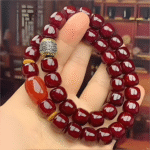
Authentic cinnabar is rare and often counterfeited with synthetic dyes or resin. To ensure you are getting genuine cinnabar, look for these signs: a deep, natural red with slight variations in shade; a cool, dense feel in your hand; and a faint, earthy smell when rubbed. Fake cinnabar is often too bright, lightweight, or plastic-like. In my family’s workshop, we test cinnabar by burning a tiny sample–real cinnabar turns black and leaves a red residue, while fakes melt or smell of chemicals. Always purchase from a trusted source like yihui.store, where we guarantee authenticity and provide a certificate of consecration.
Caring for your cinnabar items is essential to maintain their spiritual power. Avoid exposing them to direct sunlight for long periods, as this can fade the color. Clean them gently with a soft, dry cloth–never use water or chemicals, as mercury sulfide can be toxic if ingested. Once a month, place your cinnabar talisman or pendant under moonlight during the full moon to recharge its energy. You can also burn sandalwood incense near it to purify and strengthen its protective field. If the cinnabar ever cracks or loses its luster, it may have absorbed negative energy; in that case, return it to me for a renewal ritual. Remember, cinnabar is a living mineral–treat it with respect, and it will serve you for generations.
In conclusion, cinnabar feng shui is a sacred practice that connects us to the ancient wisdom of Taoist masters. Whether you seek protection, wealth, or spiritual growth, authentic cinnabar can be a powerful ally. As the 7th-generation inheritor of the Tianxin Feng Shui lineage, I invite you to explore our collection at yihui.store, where each piece is consecrated with care and tradition. For personalized guidance, reach out for a free consultation: WeChat 8613807250767. May the red light of cinnabar guard your path and illuminate your home with harmony and strength.