Blog

Chinese Piggy Bank Feng Shui Meaning: The Pu Man Money Box Guide
Few objects in a Chinese household are as ordinary, and as quietly symbolic, as the money box. A child drops in a coin after school. A shopkeeper keeps one beside the till. On the surface this is simple thrift; in the older reading it is a deliberate act of gathering energy into a vessel that is not meant to be opened. This guide explains what the object is and how to place and activate one as a practice rather than a decoration.
What a Chinese Money Box Actually Is
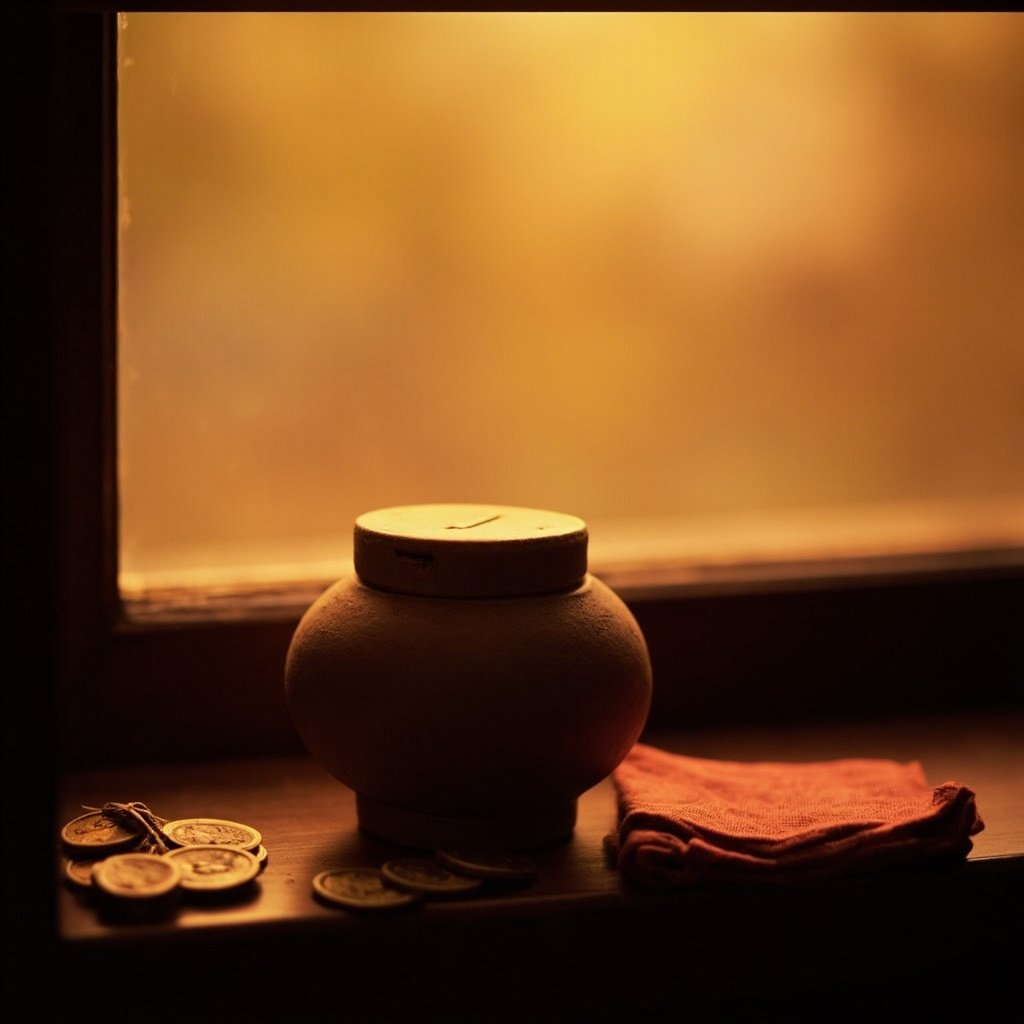
The classical object is called the pu man, a name that translates roughly as the vessel struck when full. It is a small earthenware jar with a narrow slot on top and no opening at the base. Coins go in and cannot come out; when the jar is heavy it is broken open in one deliberate act, and the money inside is used for something that matters.
The form is very old. Han dynasty records describe a clay vessel with a way in and no way out, broken only when it could hold no more, a design that carries the whole philosophy: the object matters not for its shape but because it removes the option of casual spending. Money boxes were given to children as a first lesson in sufficiency and kept by adults as a reserve.
The Western piggy bank arrived by a different road. Medieval English potters worked with a cheap orange clay called pygg, and jars made from it held household coins; over centuries the word drifted and potters began shaping the jars as actual pigs. Both objects still reached the same solution: money kept out of reach is money that stays, and one narrow entrance changes behaviour more effectively than any amount of resolve.
The Feng Shui Meaning of a Money Box
In feng shui terms a money box is a gathering point. A home holds energy that behaves like water: it moves, pools and drains, and furniture, doors and corridors decide where it collects. A money box is a small, deliberate pool.
Three features give it meaning.
- The rounded body. A jar with a full belly and no sharp corners holds chi without cutting it, a container first and a symbol second.
- The single narrow opening. One entrance, one purpose: wealth should have a defined way in rather than a dozen unmanaged channels.
- The sealed base. Nothing leaves casually. This is the opposite of an open coin bowl on a shop counter, which is generous but leaky.
Read together, the message is not greed but retention. Feng shui treats wealth problems far more often as leakage than as absence, and the money box is a physical reminder of the difference between earning and keeping.
Materials and What Each One Suggests
The material carries the element, and the element sets the tone.
- Earthenware and clay carry earth: slow, stable accumulation. The traditional choice, and the best one for a first box.
- Porcelain is earth fired cooler and clearer, suited to a household that wants order around money.
- Brass and bronze carry metal, the element of authority and boundaries. A metal box suits a business or anyone negotiating deals.
- Wood carries growth: the right material for a jar funding a long project rather than a rainy day.
- Glass and crystal are beautiful but transparent, and a see-through container reads as exposed wealth. If you use one, keep it private rather than on a hallway shelf.
Where a Money Box Belongs
Placement is where most households lose the benefit. The box should sit where energy settles, not where it rushes past.
The wealth sector
In the classical compass method the wealth sector is calculated from the building facing direction, so it differs from home to home. The popular rule, the far corner to the left of the entrance, is a rough substitute. If you know your facing direction and the building year energy, use the calculated sector.
The desk and the counter
A box on a home-office desk or in the top drawer works well because it associates saving with the place where income is generated, so keep that drawer tidy. In retail, keep it near the till but set back, visible to the owner rather than the street.
What to avoid
- The bathroom, where water drains energy away.
- The kitchen near the stove, where fire and money are traditionally kept apart.
- A shelf directly facing the front door, where incoming chi is deflected straight back out.
- Anywhere it can be knocked over daily; instability is the opposite of accumulation.
How Tian Xing Feng Shui Reads Money and Storage
Tian Xing Feng Shui, the celestial school, treats timing as seriously as direction. Wealth is not a permanent condition of a room; it rises and falls with the solar terms and with the monthly movement of energy through the compass. A money box is therefore not a static charm but an object with a season.
The practical consequence is simple. Start it at a point of increase, feed it on a rhythm, and review it when the cycle turns. A jar that has not been touched in two years is not accumulating anything; it has become furniture.
Six Rules for Activating a Money Box
- Begin on a day of increase. The first day of a lunar month, the start of a solar term, or a new moon.
- Never start with an empty jar. Place the first coin or note in deliberately, with a clear intention for this reserve.
- Feed it on a fixed rhythm. Weekly or monthly, the same day each time. Consistency matters more than amount.
- Keep the slot clear. Dust, tape or clutter across the opening is a small but literal blockage.
- Do not shake, count or weigh it constantly. The pu man was not a scale, and checking daily turns a practice into anxiety.
- Break it on purpose when full. Spend the contents on something that grows: a skill, a tool, clearing a debt. Then start again.
Mistakes That Quietly Empty the Vessel
- Keeping a cracked or chipped box. A damaged container symbolises a container that does not hold.
- Using the money box as a hiding place for bills you owe. The object then represents obligation, not reserve.
- Filling it once and forgetting it. An untouched jar is stagnant energy, not stored wealth.
What the Money Box Is Really Teaching
The pu man is a humble object made from cheap clay, and that is why it endures. It does not ask for faith, only a coin, a rhythm and a little restraint. In a culture that reads the home as a living system of energy, a small sealed jar on a quiet shelf says that enough is a condition to be built rather than a number to be reached.
Feed it, leave it alone, and break it when it is full. The rest is ordinary life, which is where feng shui has always done its work.