Blog

Chinese Seal Feng Shui Meaning: The Personal Chop and the Power of a Name
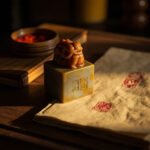
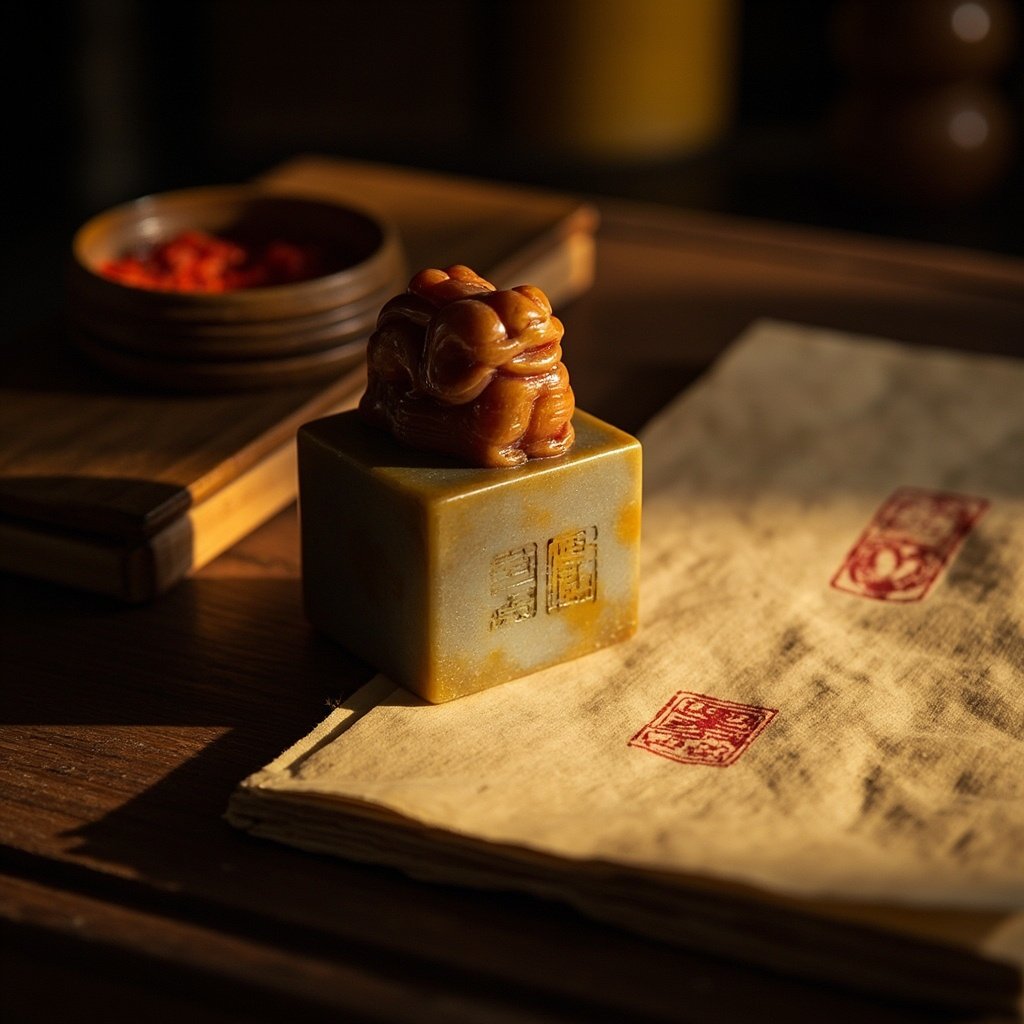
In the West, a signature closes a document. In China, a small carved stone does the same work, and it has been doing it for more than two thousand years. The Chinese seal, called yin zhang, is pressed into vermilion paste and then onto paper, leaving a square of red that carries the weight of a person’s name. Where a signature belongs to a hand, a seal belongs to a household, an office, or a single individual who is willing to be held to their word.
In feng shui terms, a seal combines identity, authority and the earth element in one palm-sized form. That is why it sits on scholar desks and in family strongboxes, and why people working abroad keep one as a tangible link to the culture behind their name.
What a Chinese Seal Actually Is
A seal is a small block, usually of soft stone, with characters carved in reverse into its base. The carver cuts a name, a studio name, or a short auspicious phrase in seal script, an older and squarer form of writing. When the base is pressed into paste and then onto paper, the reversed carving reads correctly. Historically, seals served as official authorisation: an imperial seal could move armies, and a merchant’s seal could bind a contract. Personal seals were used on letters, paintings, marriage documents and account books.
Why a Seal Outweighs a Signature
A signature can be imitated with practice; a carved seal can be locked away. That is why it has always been treated as personal authority rather than stationery. It also teaches a discipline: the mark is the promise. You do not press a seal onto a document you have not read, because the impression is not a gesture but a commitment. That habit of deliberate action is closer to real feng shui than any ornament on a shelf.
The Materials and the Five Elements
A working seal is a small lesson in the five elements, and the balance is easy to read once you know what to look for:
- Stone is earth, the element of stability, patience and the foundation that holds a family or a business in place.
- The carved edge is metal, the element of precision and clear boundaries, which is exactly what authority requires.
- The vermilion paste is fire, visible, warm and assertive, the reason a seal impression draws the eye on a page of black text.
- Paper and the wooden box are wood, the element of growth that carries a name forward into new agreements.
- The slight moisture in the paste is water, the element of flow, which keeps the impression clean rather than cracked and dry.
Because earth dominates, a seal is naturally a yin object: still, dense and quiet. Its fire is borrowed from the paste and appears only when used, so a seal left in a drawer for years is all earth and no expression.
Where to Keep a Seal at Home or in the Office
Placement rules for a seal are practical rather than mystical. The goal is a spot where the object is treated as important, kept dry, and used deliberately.
- On the desk, not in a drawer. A seal in daily sight stays part of your working life. A seal buried under old receipts becomes clutter that quietly signals unfinished business.
- A low, stable stand. Earth likes to be grounded. A small wooden tray or a shallow stone dish is better than a high shelf where the seal can be knocked to the floor.
- North and northwest sectors. In the bagua, the north relates to career and the path of water, while the northwest relates to authority and helpful people. A seal placed in either sector reinforces the theme of a recognised name.
- Away from the bedroom, the kitchen and the bathroom. A seal is a tool of affairs and agreements, and steam or cooking moisture damages both stone and paste.
- Wrapped in red cloth when travelling. Red silk or cotton protects the carved face from chips and keeps the object visually marked as something of value.
Placement and the Career Sector
If your work depends on contracts, credentials or reputation, the north sector deserves attention. Keep it clear of clutter and place the seal where it faces into the room rather than toward a window. A name turned away from the room is a name turned away from opportunity.
The Cinnabar Question
Traditional seal paste is made with cinnabar, a red mineral associated with yang energy and formal documents. Red here is not decorative; it is assertive and binding, which is why seal impressions are red rather than black. Modern pastes often use synthetic pigments and work perfectly well. Natural cinnabar, however, contains mercury: keep it from children, do not ingest it, wash hands after use, and never treat it as a health remedy.
Choosing a First Seal
Most people overthink this step. A short checklist is enough:
- Choose the stone by feel. Shoushan and similar soapstones are traditional, soft enough to carve and pleasant in the hand. Harder stones last longer but cost more to engrave.
- Keep the size modest. Two to three centimetres across is comfortable for personal use. Oversized seals look impressive and are awkward to press cleanly.
- Decide on the content. Your name, a studio name, or a short phrase that states an intention. Fewer characters read better at small size.
- Judge the carving, not the box. A clean, deep cut holds paste evenly. Ask for a test impression on paper before you accept the piece.
Care and Handling
Clean the carved face with a soft dry cloth rather than washing it; soaking soft stone dulls the cut. Keep the paste lid closed so it does not dry into a hard cake, and store the seal on its side or in its box. A seal used regularly stays clean, while one left untouched collects dust and prints a blurred mark.
What a Seal Cannot Do
A seal is a symbol of authority, not a substitute for it. It will not repair a reputation damaged by careless work, nor turn a bad contract into a good one. In the traditional view the power of the object comes from the seriousness of the person holding it.
Final Thoughts
The Chinese seal endures because it does something no digital signature manages: it makes a name physical and deliberate, and it slows a person down at the moment a decision is made. Placed with care and used with intent, a small carved stone is one of the quietest effective objects in Chinese culture.