Blog

Five Elements Feng Shui: Balancing Wu Xing With Taoist Energy Objects
The ancient practice of feng shui rests on a deceptively simple idea: the energy, or chi, that flows through your living space is shaped by five fundamental forces. Known collectively as the Wu Xing, these elements — wood, fire, earth, metal, and water — interact in constant cycles of creation and control. When they exist in harmony, a home feels calm, prosperous, and protected. When they fall out of balance, the same space can feel stagnant, tense, or unlucky. For anyone seeking greater stability, this five elements feng shui guide explains how to read those forces and correct them using authentic Taoist energy objects.
Understanding the Five Elements and Their Roles
Each element carries distinct qualities that show up in color, material, direction, and emotion. Recognizing them in your daily environment is the first step toward meaningful change.
- Wood — associated with growth, vitality, and new beginnings. Its colors are green and brown, and it thrives in the east and southeast.
- Fire — the element of passion, recognition, and transformation. Represented by red, orange, and purple, it is strongest in the south.
- Earth — linked to stability, nourishment, and grounding. Yellow, beige, and terracotta tones support the center and the southwest.
- Metal — governing clarity, precision, and prosperity. White, gold, and silver reflect its nature, and it dominates the west and northwest.
- Water — the source of wisdom, flow, and abundance. Black and deep blue carry its energy, especially in the north.
These forces do not operate in isolation. In the generating cycle, wood feeds fire, fire creates earth, earth bears metal, and metal produces water. In the controlling cycle, each element restrains another, preventing any single force from growing too strong. A professional feng shui reading identifies where these cycles have been disrupted and prescribes the precise correction needed to restore flow.
Why Modern Homes Fall Out of Balance
Contemporary interiors rarely follow the traditional guidelines of Taoist design. Open-plan living spaces concentrate energy in a single room. Neutral palettes, concrete, and metal fixtures create an overabundance of one element while starving the others. A home that feels cold and unwelcoming may simply carry too much metallic energy, while a chaotic and restless household often suffers from an excess of fire.
The good news is that balance rarely requires a full renovation. Small, intentional adjustments — a carefully placed object, a shift in color, a new source of natural light — can recalibrate the space without sacrificing modern comfort. Taoist energy objects are designed precisely for this purpose: they are compact, beautiful, and deeply symbolic, allowing you to introduce the missing element exactly where it is needed.
Practical Ways to Introduce Each Element
Once you have identified the imbalances in your home, you can begin to correct them through deliberate additions. Below are time-tested methods aligned with Taoist practice.
Strengthening Wood for Growth and New Ventures
If your career feels stagnant or your creativity is blocked, wood energy may be weak. Introduce live plants, bamboo stalks, or wooden carvings in the east and southeast sectors of your home. A jade plant, long valued in feng shui as a symbol of prosperity, is both a living element and a natural amplifier of growth. Choose healthy plants that thrive, as a wilting plant carries depleted energy.
Activating Fire for Recognition and Passion
Fire energy governs your reputation, the warmth of your relationships, and your motivation. Candles, warm lighting, and red or orange accents can bring this element back into balance. In Taoist tradition, the burning of ceremonial incense serves a similar purpose, clearing stagnant chi while invoking the clarifying power of fire. Use it sparingly in the south, where its influence is most potent.
Grounding With Earth for Stability
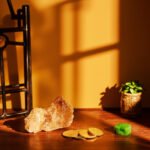
Earth energy settles the mind and anchors a household during turbulent times. Introduce ceramic vases, stone sculptures, or crystals in warm earthy tones to the center and southwest of your home. Crystals, in particular, carry a dense and stable vibration that many practitioners regard as one of the most reliable ways to ground a space. A bowl of citrine or a single amethyst cluster can steady a restless room.
Refining With Metal for Clarity
Metal brings precision, focus, and the capacity to attract financial opportunity. Brass bells, metal wind chimes, and white or gold accessories reinforce this element in the west and northwest. In Taoist practice, struck bells are also used to purify a space, their clear tone dispersing heavy energy and inviting fresh chi to enter.
Inviting Water for Wisdom and Abundance
Water energy governs wisdom, flow, and the accumulation of wealth. Fountains, mirrors, or black-and-blue decorative pieces placed in the north encourage a steady current of abundance. Even a simple bowl of clear water, refreshed daily, carries symbolic weight. Avoid standing or stagnant water sources, which disrupt the element they are meant to strengthen.
Tools of the Taoist Practitioner
For those who wish to deepen their practice, a range of traditional objects can amplify these corrections. Each carries a specific symbolic function refined over centuries.
- Bagua mirror — a multifaceted mirror used to deflect sha chi, or harmful energy, that may enter through doors or windows, protecting and rebalancing the space.
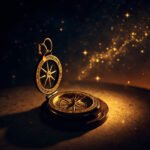
- Feng shui compass (luopan) — the practitioner’s essential instrument for mapping directional energy and determining the most auspicious placement for objects and rooms.
- Energy crystals — natural stones selected for their elemental vibration, from grounding black tourmaline to prosperity-attracting citrine.
- Ceremonial incense — used to clear stagnant chi and prepare a room for positive intention and meditation.
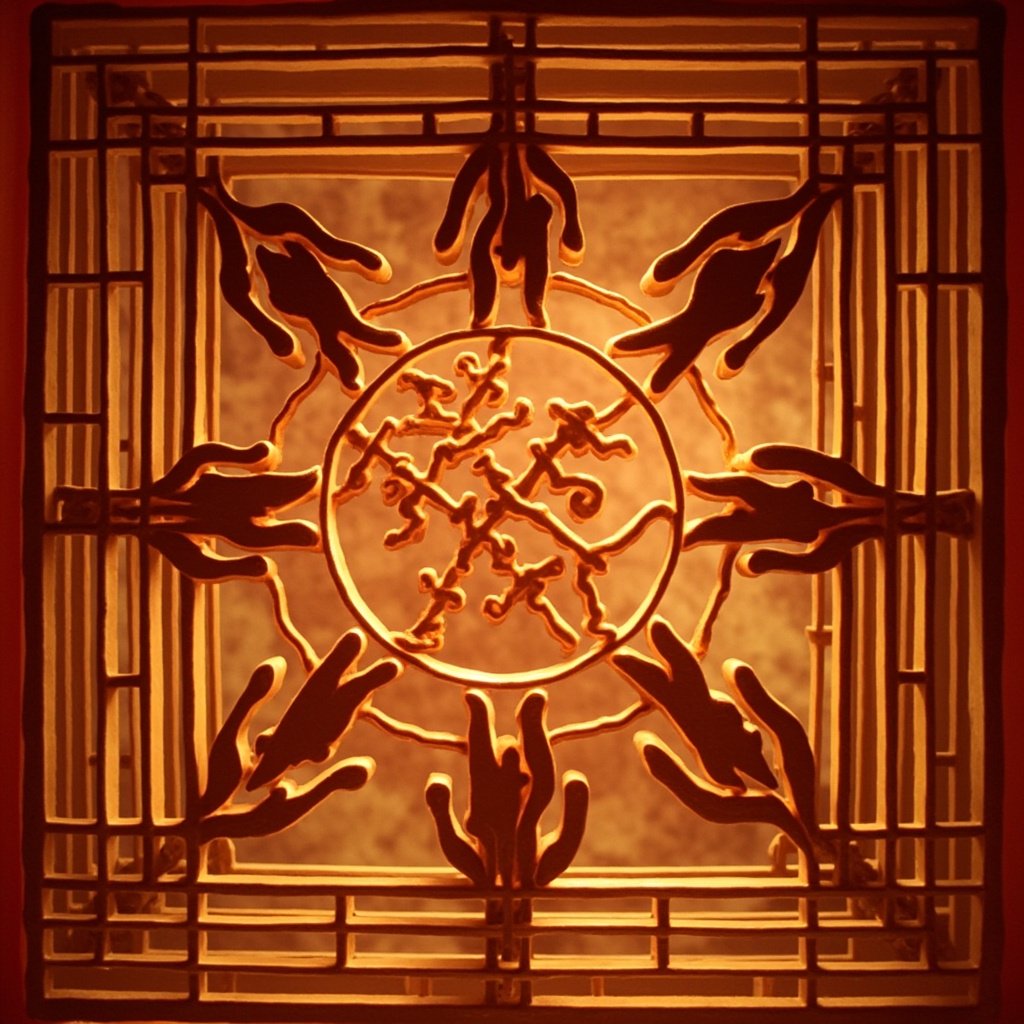
- Taoist talismans — hand-inscribed symbols that carry protective or auspicious intent when placed in a designated sector of the home.
These objects are not passive decorations. In Taoist thought, they function as focal points for intention, concentrating the mind and directing energy toward a clearly defined outcome. Their effectiveness lies in the alignment of symbol, placement, and the conscious attention you bring to them.
A Simple Approach to Balancing Your Home
If a full elemental analysis feels overwhelming, begin with a few accessible steps. Walk through each room and note which element dominates its palette and materials. Identify the one element that feels entirely absent. Introduce a single Taoist energy object or color accent for that missing element in the appropriate sector, then observe how the room changes over the following weeks. Most households notice a distinct shift in mood and energy within a month.
Respect the Tradition, Reap the Benefits
Five elements feng shui is as much a philosophy of awareness as it is a system of placement. It reminds us that our surroundings mirror our inner state and that small, deliberate acts of alignment can transform both. Whether you are a seasoned practitioner or a curious newcomer, balancing the Wu Xing with authentic Taoist energy objects offers a grounded, elegant path to a more harmonious home — one room at a time.