Blog

The dining room is the one space in a home where every member of the household truly gathers. It is not simply a place to eat. In classical Chinese thought, the family table stands for nourishment, mutual support, and the steady circulation of good fortune among loved ones. When its energy is balanced, the dining room becomes a source of warmth that feeds both body and relationships. When it is neglected, the same space can quietly drain vitality and create quiet tension. Understanding the feng shui principles behind this room gives you a practical, elegant way to turn an ordinary meal into a daily act of renewal.
Why the Dining Room Holds Special Feng Shui Meaning
Feng shui, which translates literally as “wind and water,” is the ancient Chinese art of arranging space so that beneficial energy, called chi, moves freely and supports the people who live there. Traditional practitioners studied how mountains, rivers, and the path of the sun shaped the fortune of a place. In the modern home, the dining room plays a similar role on a smaller scale. It is where the household is “fed,” both literally and energetically. Because it concentrates people, food, and conversation in one place, it carries a disproportionately powerful influence over family stability and financial flow.
The Link Between the Table, the Family, and Wealth
In Chinese culture, the shared meal is a symbol of unity. The round or rectangular dining table represents the whole family gathered as one body. When this space is clean, bright, and welcoming, it encourages openness and affection. Energetically, a harmonious dining room is also said to support the accumulation of resources. The logic is simple: a family that eats well together communicates well, manages money together, and protects the household’s prosperity better than one that rarely shares a table.
Key Feng Shui Principles for the Dining Room
- Keep the room bright and uncluttered. Light and open space allow chi to circulate; a dark, crowded dining room holds stagnant energy that settles over the meal.
- Choose a balanced table shape. Round or oval tables are preferred because they have no sharp corners that direct sha chi, or cutting energy, at seated guests. If you must use a square or rectangular table, soften its edges.
- Use the right number of chairs. An even number of chairs is considered auspicious because it suggests balance and paired relationships.
- Place a mirror or artwork strategically. A mirror reflecting the food on the table is a classic technique said to double the abundance present at the meal.
- Avoid the direct path of tension. A table that faces a doorway is vulnerable to sudden energy; anchor it against a solid wall instead.
Placement and Layout That Supports Harmony
Position the dining table so that seated guests do not face a wall directly, and so the back of each chair is supported against a solid surface where possible. This sense of backing gives people a subconscious feeling of safety that loosens conversation. The table should also sit at a comfortable distance from the kitchen so that food travels a short, cheerful path. Avoid placing the table directly in line with the front door, as entering energy is seen as rushing in and disturbing the meal.
Lighting That Feeds the Senses
Warm, adjustable lighting is the single most effective way to make a dining room feel alive. A hanging lamp positioned low over the center of the table draws the eye inward and gathers the family into a focused circle. In feng shui terms, this downward light “anchors” the group and warms the space. Candlelight during meals adds a further layer of calm and is thought to calm the nervous system while inviting intimate, honest conversation.
Feng Shui Remedies and Enhancements for the Dining Room
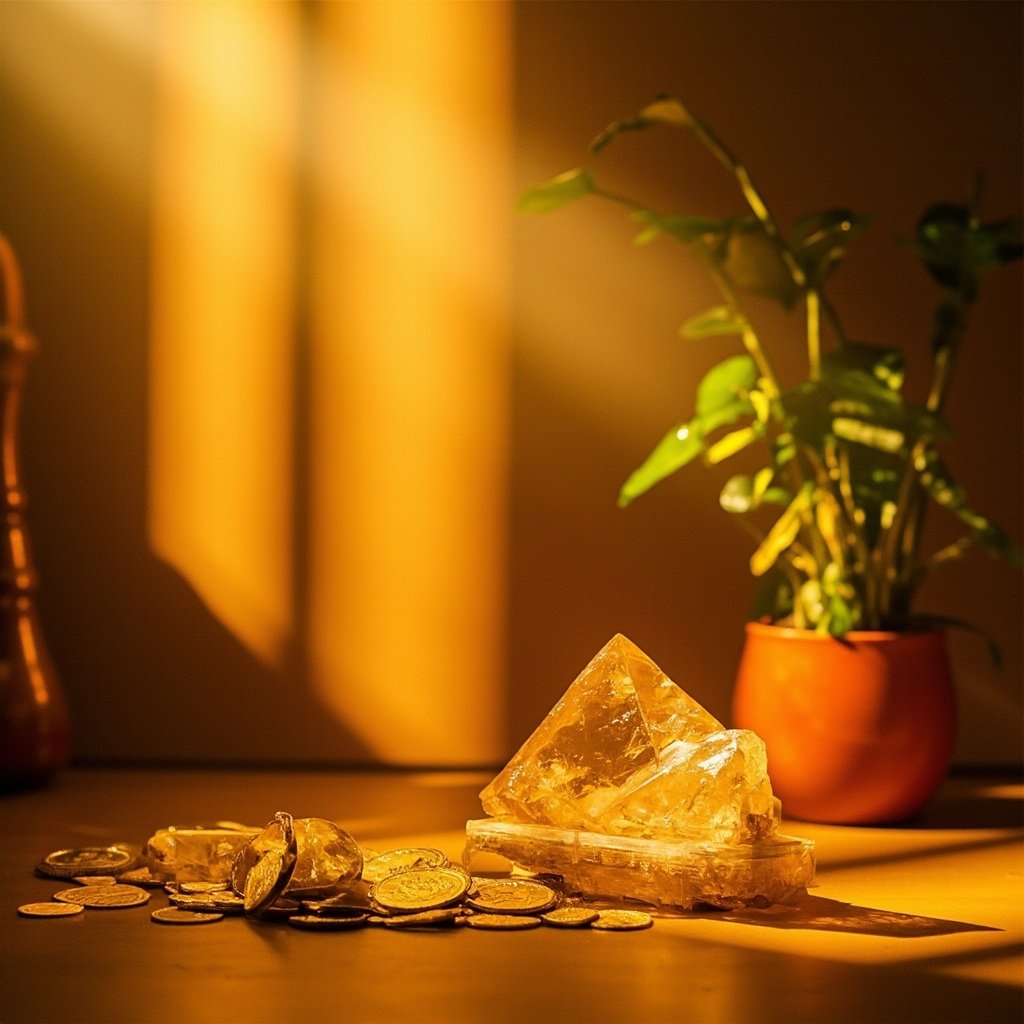
If your dining room suffers from a structural or energetic challenge, a handful of traditional cures can restore its balance. A bowl of fresh fruit placed at the center of the table represents harvest and health. A small water feature, kept clean and in motion, invites the flow of prosperity, although it should never be allowed to sit still and stale. A round jade stone or a smooth crystal placed on the table is said to steady the family’s energy, while a gourd on a nearby shelf is carried in Chinese tradition to ward off illness and protect the household from harm.
- A bowl of color. Arrange fruits or a crystal catchall in red, orange, or green to activate warm, nourishing energy related to health and growth.
- A short clean water feature. A small tabletop fountain in the east or southeast corner of the room gently pulls beneficial chi toward the family.
- A smooth natural stone or crystal. Place it at the table’s center as a grounding focal point for the shared meal.
- A gourd near the dining area. Traditional belief holds that the gourd absorbs and contains unpleasant energy, protecting the household.
Common Mistakes to Avoid
One of the most common errors is storing clutter on the dining table between meals. Mail, keys, and loose papers turn the table into a desk and strip the room of its restorative purpose. Another frequent mistake is leaving the dining room dark for most of the day. Even when the family is not eating, the room should breathe with light and air. Avoid hanging mirrors that directly reflect the toilet or the front door, and avoid placing the table beneath a heavy beam that presses down on diners. Each of these small corrections restores the sense of openness that allows both appetite and goodwill to flourish.
Bringing It All Together
The dining room rewards attention out of all proportion to its size. By keeping it bright, uncluttered, and centered on a well-placed table, you create a daily ritual that nourishes the body and quietly strengthens the bonds of the household. Whether you make one small correction or several, the message to your home is the same: this is a place of gathering, abundance, and care. Over time, the simple act of sharing a well-prepared meal in a balanced room becomes one of the most reliable forms of cultivation you can practice.