
Blog

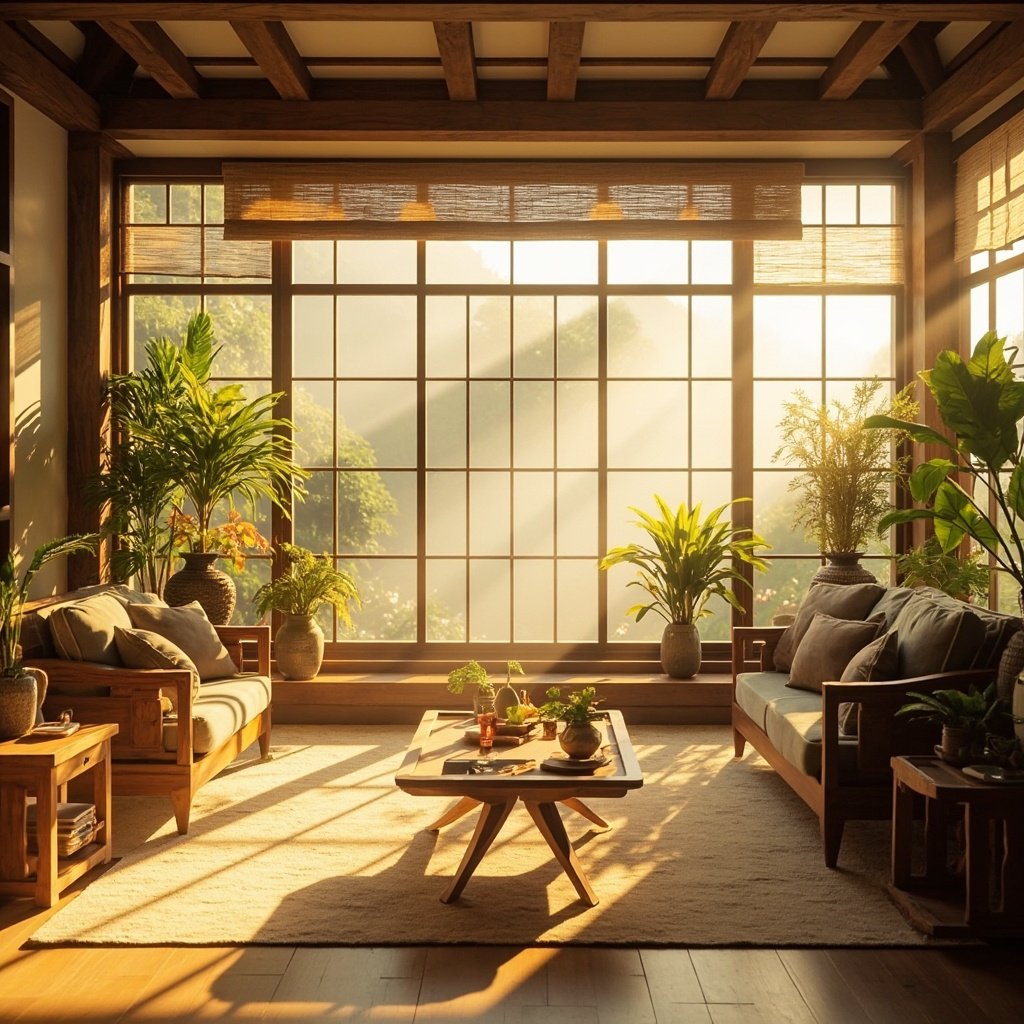
Feng Shui for Emotional Balance: Cultivating Calm, Healing Energy at Home
Modern living places a remarkable strain on the nervous system. Between digital notifications, dense urban schedules, and the steady hum of household appliances, many people struggle to find genuine stillness in the very rooms where they should feel safest. Feng shui, in its deepest sense, is not merely about arranging furniture for visual appeal. It is a disciplined system for shaping the invisible energetic atmosphere that surrounds every family. When that atmosphere becomes cluttered, harsh, or agitated, our emotional resilience fades with it. By applying the older principles of Taoist feng shui, you can turn an ordinary dwelling into a sanctuary of calm, balanced chi that supports mental clarity and inner peace.
How Energetic Clutter Shapes Your Mood
Before any ornament can help, the fundamentals of space must be addressed. A home heavy with objects that we no longer use, or crowded with sharp corners and aggressive light, creates what practitioners call stagnant or deflected chi. This low-quality energy reinforces fatigue, irritability, and intrusive worry. The relationship between environment and emotion is not mystical in origin; it is practical. A room that triggers constant visual stress simply makes relaxation harder. Begin by clearing each living area of broken items, expired papers, and furniture that crowds natural pathways. Open the windows daily, allow cross-ventilation, and let sunlight reach the corners most often left in shadow. These simple corrections restore the gentle flow of fresh energy that quiet minds depend upon.
The Five Elements as an Emotional Vocabulary
Taoist cosmology describes the world through the interaction of five phases: wood, fire, earth, metal, and water. Each phase carries a distinct emotional tone, and imbalance in any of them tends to surface in daily mood. Wood energy supports growth and patience. Fire brings joy but, in excess, becomes restlessness and anger. Earth grounds us in stability yet can tip into heaviness. Metal governs clarity and letting go; too little leaves grief unprocessed. Water governs wisdom and rest, while an excess invites fear and withdrawal. When you understand these resonances, you can read your own home like a diagnostic map. If evenings feel tense, too much fire may dominate your living room. If mornings feel listless, your bedroom may lack the earth tones that anchor the start of the day.
Designing Spaces That Quiet a Racing Mind
The Bedroom as a Sanctuary of Water
Because the bedroom governs rest and renewal, it should lean toward the watery, grounded qualities of calm. Choose muted blues, soft greys, and deep earth tones for walls and fabrics. Move electronic devices, screens, and glowing clocks out of the direct line of sight from the bed. A neat nightstand with a single grounding object, such as a piece of black tourmaline or a small bowl of salt, anchors the space and absorbs scattered energy. Keep the bed positioned so you can see the doorway without lying directly in its path, a placement long favored for its calming, secure quality.
The Living Room and the Balance of Fire and Water
Family spaces benefit from a careful pairing of lively and restful elements. Warm wood accents and gentle, dimmable lighting belong here, but avoid stacking so many loud tones that the room feels charged. Introduce water features and crystals of soft blue or green to soften heat. A small fountain in an eastern or southeastern corner brings a soothing, rhythmic sound that masks traffic noise and encourages slow breathing. The goal is a room where conversation feels easy and silence feels comfortable rather than awkward.
Energy Products That Support Emotional Resilience
Well-chosen Taoist energy products can reinforce the intention of a balanced home. They are not substitutes for good habits, but they serve as constant, tactile reminders of your commitment to inner calm. Consider the following:
- Amethyst clusters, placed in the bedroom or meditation corner, are traditionally valued for soothing the mind and easing anxious thought patterns.
- Rose quartz, kept near the bed or a reading chair, is associated with warm self-acceptance and compassion within the household.
- Black tourmaline, stationed near entrances and electronic hubs, is believed to absorb disruptive energies and electromagnetic noise for many practitioners.
- A small singing bowl offers a quick way to reset emotional state each morning with a few minutes of resonant tones.
- Taoist talismans bearing protective symbols can be placed discreetly in a study or hallway to carry a quality of stillness and intention.
A Gentle Evening Ritual
Consistency strengthens any energetic change. Set aside the final fifteen minutes of each day to slow the atmosphere of your home. Dim the artificial lights, light an unscented or lavender candle in the living room, and close the curtains against the glow of street lamps. Take three slow breaths, then walk through each room briefly, smoothing cushions and clearing surfaces. As you move, name the mood you hope each space will hold tomorrow: patience in the kitchen, focus in the study, rest in the bedroom. This quiet ceremony signals to the body, through sound and ritual, that the frantic part of the day has genuinely ended.
Making Change That Lasts
The most powerful feng shui adjustments are not dramatic rearrangements but restrained, intentional ones. Choose a single room to refine first, observe how its new calm affects your evenings, and only then extend the practice to other areas. Keep a simple record of your sleep quality and stress levels for a month; you may notice patterns that confirm the connection between space and spirit.
Feng shui was never intended to replace self-care, therapy, or rest. What it offers instead is a framework for treating your home as an honest partner in emotional wellness. When every room supports you rather than drains you, the path back to calm grows shorter every day. Begin small, remain consistent, and let the settled energy of your home do its quiet work.