Blog

Tian Xing Feng Shui: Working With Celestial Energy at Home
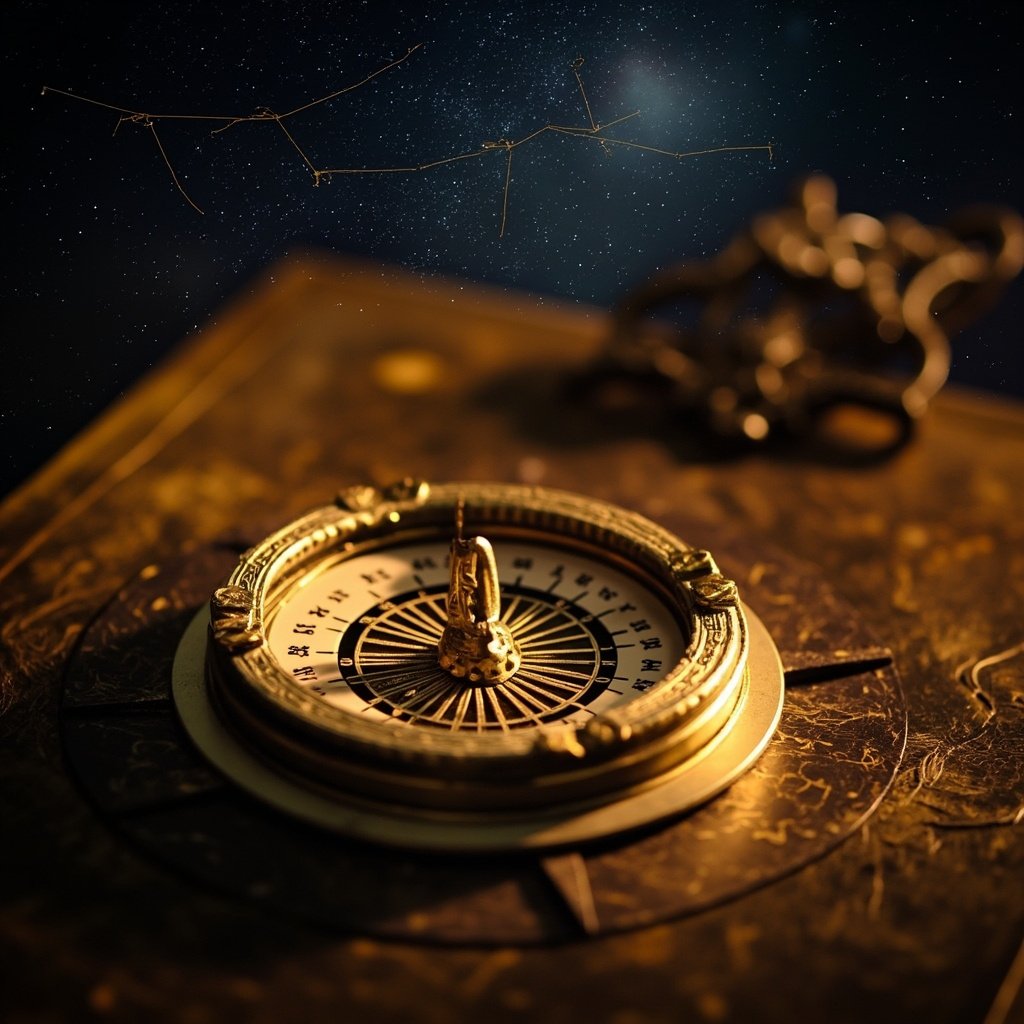
Most people first encounter feng shui through furniture placement, colors, and the flow of chi through a room. Yet one of the oldest and most sophisticated branches of this tradition looks far beyond the front door. Tian Xing Feng Shui, sometimes translated as “Celestial Star Feng Shui,” reads the energy of the heavens as it pours into a home, a business, or a person’s life. For centuries, Taoist masters have used its principles to time important decisions, position buildings, and select talismans. In this guide, we explore what Tian Xing Feng Shui is, why it matters for modern living, and how simple Taoist tools can help you work with celestial energy in a grounded, practical way.
What Is Tian Xing Feng Shui?
Tian Xing Feng Shui belongs to the San He and San Yuan schools of classical Chinese geomancy, both of which place the heavens at the center of their calculations. Where common feng shui asks how the landscape around you shapes your space, Tian Xing asks a deeper question: what is the sky saying about this place at this moment?
The practice tracks visible and calculable celestial bodies — the sun, the moon, the five classical planets, and the twenty-eight lunar mansions of Chinese astronomy. Each of these carries a distinct quality of energy. The Sun governs authority and visibility; the Moon governs emotion, memory, and the household; Jupiter brings expansion and good fortune; Saturn brings structure and hard lessons. By mapping these influences onto the compass directions and the eight trigrams of the bagua, a practitioner can see which parts of a home carry vibrant energy and which parts need support.
Why Celestial Energy Matters Today
It is easy to dismiss star readings as folklore, but Tian Xing Feng Shui rests on a simple observation: your environment is not static. The energy around you shifts with the seasons, the phases of the moon, and the longer cycles of the planets. A bedroom that felt restful in spring may feel heavy in winter. A desk that supported sharp focus last year may now feel scattered. Celestial feng shui offers a language for these shifts and a method for responding to them.
Modern research in chronobiology supports the underlying intuition. Light exposure, lunar cycles, and seasonal rhythms measurably influence sleep, mood, and productivity. Tian Xing Feng Shui formalizes this awareness into a disciplined system, making it useful even for those who approach it with healthy skepticism. You do not need to believe in astrology to benefit from aligning your environment with natural cycles.
The Core Principles of Tian Xing Practice
Three ideas anchor the tradition. First, time is a form of space. The energy that occupies a room today is different from the energy that occupied it last month, because the stars have moved. Second, direction carries memory. Each compass direction holds a steady character — the southeast traditionally nourishes wealth, the northwest supports mentors and elders, the east energizes new beginnings. Third, symbols focus intent. A physical object placed with awareness can anchor a quality that would otherwise remain abstract.
From these principles come the practices most relevant to a modern home:
- Seasonal recalibration. At each solstice and equinox, review the busiest rooms in your home and adjust their focus toward the year’s dominant celestial influence.
- Personal direction work. Using your birth year and the Flying Star chart, identify the directions that support you personally and spend more time facing them.
- Moon-phase timing. Schedule launches, negotiations, and household changes during the waxing moon, and reserve the waning moon for clearing and release.
- Symbol placement. Use small, meaningful objects — a crystal, a talisman, a mirror — to hold the quality you wish to cultivate in a given corner.
Taoist Tools for Working With Celestial Energy
Classical practice never relied on intention alone. Taoist tradition developed a family of physical tools that carry and direct energy, and these remain the most accessible entry point for beginners.
Feng Shui Crystals
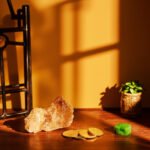
Crystals have been used in Chinese practice for thousands of years, valued not for ornament but for their stable, focused energy. Clear quartz is the workhorse: it clarifies, amplifies, and harmonizes the energy of any room. Amethyst supports the calm, reflective energy of bedrooms and meditation corners. Rose quartz softens the energy of shared spaces. For celestial work specifically, practitioners often place a crystal in the direction associated with the star they wish to honor — a habit that turns a decorative object into a conscious anchor.
Taoist Talismans and Amulets
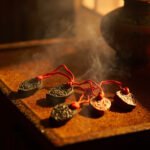
Talismans, or fu, are written or engraved symbols that carry a specific intention. Hand-tied Taoist amulets and engraved brass charms have been carried for protection, focus, and good fortune for generations. In a home, a talisman placed at the entry or above a workspace serves as a quiet reminder of the quality you are cultivating. The value is not superstition in the naive sense; it is the discipline of naming your intention and giving it a physical home.
The Bagua Mirror
Among the most storied Taoist tools, the bagua mirror combines the eight trigrams with a central mirror. Placed above an entrance, it is traditionally used to deflect sha chi — harsh or cutting energy — arriving from roads, corners, or construction sites. Used with respect and placed only outside the home, it remains one of the most practical protective tools in the tradition.
Incense and Ritual Cleansing
Energy accumulates in spaces the way dust does. Taoist practice responds with regular cleansing: burning sandalwood or sage, opening windows during the waxing moon, and refreshing the arrangement of a room. This is less about mysticism than about deliberate reset — the same reason people declutter before starting a new project.
Bringing It Together: A Simple Morning Ritual
You do not need a master’s training to begin. A practical first step takes five minutes each morning. Face your personal auspicious direction. Take three slow breaths. State one intention for the day, and touch the talisman or crystal you have placed in that corner. End by noticing the quality of light and air in the room. This small ceremony connects daily life to the larger cycles of the heavens — which is, at its heart, what Tian Xing Feng Shui has always been about.
A Note on Depth and Respect
Tian Xing Feng Shui is a deep tradition with a rigorous technical literature, and no single article can replace genuine study. If the subject resonates, seek out classical texts and qualified teachers rather than relying on simplified charts. At the same time, the tradition has always been practical. A home aligned with natural cycles, furnished with meaningful objects, and tended with regular intention is a better home regardless of how much cosmology you accept. That is the quiet promise of celestial feng shui: you do not have to master the stars to benefit from their order.