Blog

Solar and Lunar Feng Shui: Aligning Your Home with the Sun and Moon
In the timeless practice of feng shui, the energy that moves through our homes is not static. It rises with the sun, settles with the moon, and follows the steady rhythm of the heavens that has guided Chinese metaphysical culture for millennia. Master practitioners of Tian Xing feng shui have long understood that the celestial bodies are not distant decorations in the sky; they are active sources of chi that influence how we live, work, and rest. For the modern homeowner, paying attention to this solar and lunar cycle is one of the most accessible ways to bring genuine balance into daily life, without the need for complex charts or expensive instruments.
This guide explains how sunlight and moonlight shape the energy of every room, how you can work with the sun to energize your spaces, and how the moon can calm and restore them. By the end, you will understand the simple yet profound principle at the heart of Tian Xing feng shui: when your home moves in harmony with the heavens, your mind and body feel the difference.
Understanding the Yin and Yang of Day and Night
At its foundation, feng shui rests on the interplay of yin and yang, the two complementary forces that appear throughout Chinese philosophy. The sun embodies pure yang energy: active, bright, warming, and expansive. The moon embodies yin energy: receptive, cool, intuitive, and restorative. Neither is good or bad on its own. Balance between the two is what keeps a household healthy, prosperous, and calm.
A home that receives generous natural light during the day is said to hold strong yang chi, which supports alertness, ambition, and social connection. When evening falls, the same space should soften into yin energy, encouraging rest, introspection, and emotional recovery. Problems arise when the two grow out of proportion. A living room flooded with harsh artificial light late into the night may keep you alert past the point of rest. A bedroom left dark and cold during the day may leave its occupants sluggish and low in vitality.
The goal is a gentle rhythm rather than a rigid schedule. By consciously inviting light in during the morning and letting the space settle at night, you align the energy of your home with the natural pulse of the planet.
Morning Sunlight: Waking the Chi of Your Living Space
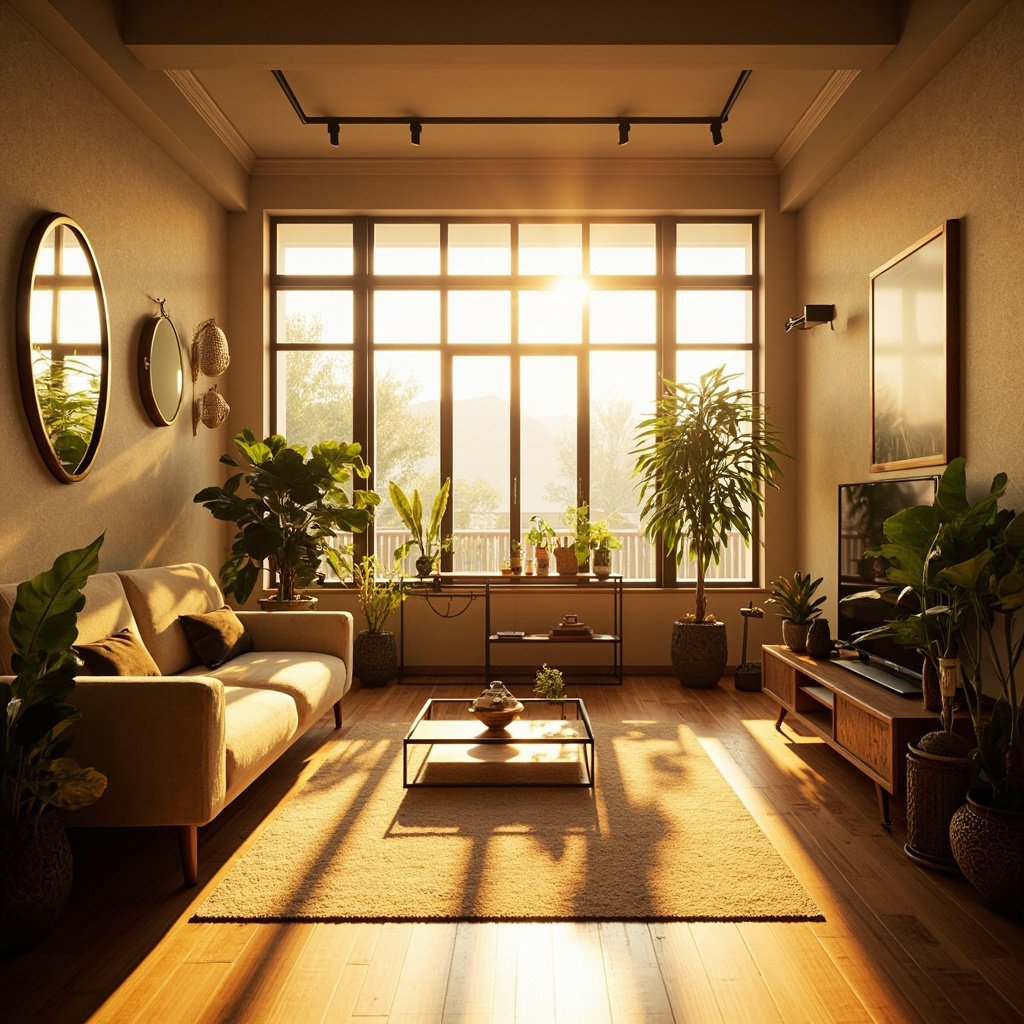
How you greet the morning shapes the quality of your entire day. In Tian Xing feng shui, dawn is considered one of the richest moments for fresh yang energy, and the east is the direction of new beginnings, growth, and the rising sun. Opening your curtains and windows in the east-facing rooms of your home during the early hours allows vital morning chi to circulate freely.
There are simple practices that can dramatically improve the energy of your morning routine:
- Open east-facing curtains first. Let sunlight fall across the room before you start your day, warming the space and dispelling stagnant overnight energy.
- Ventilate for at least ten minutes. Fresh air and the first rays of the sun work together to refresh the chi that has grown still during the night.
- Place a glass of water in morning light. Many practitioners believe water charged by morning sunlight carries a gentle, uplifting vibration that supports health.
- Keep mirrors facing away from the rising sun’s reflection toward your bed. Reflected light and fast-moving energy can disturb rest if it is aimed directly at the sleeping area.
- Position work and study desks to catch morning light. Natural illumination in the early hours supports focus, memory, and a clear mind.
If your home lacks a strong eastern exposure, do not worry. Even a single window on the east side of a room can be enough to welcome the day’s first energy. The key is intention: creating a clear, uncluttered path for morning light to enter is more important than perfect orientation.
Midday Light and the Peak of Yang Energy
As the sun reaches its highest point, yang energy peaks. This is the time of maximum activity, productivity, and outward expression. Feng shui practitioners often use the middle of the day to address matters that require decisiveness and action, whether negotiating a contract, tackling a difficult task, or hosting important guests.
During midday, consider opening the rooms where you work and entertain most frequently. Let the brightest light of the day fill your desk and social areas. In traditional practice, the south is associated with fame, reputation, and the fire element, and the sun’s midday passage amplifies this energy. Keeping the southern part of your home clear, bright, and welcoming during peak hours can support recognition and career progress.
At the same time, be aware of excessive heat. If a room becomes uncomfortably hot at noon, its yang energy has grown too strong, and the space will feel harsh rather than inspiring. A balance can be restored with light-blocking curtains, indoor plants, or cooling colors such as soft blues and greens. Harmony, not intensity, is always the goal.
Evening Yin Energy: Letting the Moon Restore Your Home
When the sun sets, the moon takes over, and the energy of the home shifts from expansion to contraction. Evening is the time for yin energy to soothe the body and mind after the activity of the day. In lunar feng shui, the quality of your evening routine directly influences the quality of your sleep and your ability to recover from stress.
As night approaches, make the energy of your home progressively softer. Dim harsh overhead lights, close curtains against artificial street glare, and let the natural darkness of evening settle the space. The following practices help the home transition gracefully into its restful phase:
- Lower lighting two hours before bed. Let warm, dim light replace the bright white of the day, signaling to your body that activity is ending.
- Keep the bedroom cool and dark. A bedroom that embraces yin energy at night supports deeper sleep and more restorative rest.
- Limit electronic light in the sleeping area. The glare of screens introduces harsh yang energy into a space meant for yin calm.
- Use calming scents and soft textiles. Lavender, chamomile, and natural fabrics add a gentle, soothing layer to the evening’s yin quality.
- Reflect rather than consume before sleep. A few minutes of quiet reflection allows the day’s experiences to settle into place.
Many traditional homes positioned their prayer rooms or meditation spaces to receive calm moonlight, which was believed to support introspection and spiritual clarity. A small personal space near a window that catches the moon can serve the same purpose today.
The Moon’s Seasonal Rhythm and Your Intentions
Beyond the daily cycle, the moon follows a monthly rhythm that has shaped human practices for thousands of years. The new moon, when the moon appears dark, is traditionally seen as a time of beginnings and planting intentions. The full moon, when it shines at its brightest, is a time of harvest, completion, and clarity. In Tian Xing feng shui, aligning personal goals with this lunar rhythm is a practical way to work with natural energy rather than against it.
During the new moon, focus on starting fresh projects, clearing clutter, and setting intentions for the month ahead. During the full moon, review your progress, celebrate achievements, and release anything that no longer serves you. Even a simple monthly ritual, such as clearing a symbolic space and placing a relevant object beside a moonlit window, can give structure to intention and deepen your connection to the cycle.
Practical Harmony: A Daily Solar-Lunar Schedule
To bring these principles together, consider this simple daily rhythm that mirrors the movement of the heavens:
- Dawn: Open east-facing windows and curtains; greet the morning with fresh air and sunlight.
- Midday: Open work and social spaces to peak light; address tasks requiring focus and decisiveness.
- Late afternoon: Soften bright exposure; begin to shift energy inward and prepare for rest.
- Evening: Dim the lights, close curtains, and let the space settle into calm yin energy.
- Night: Keep the bedroom cool and dark; allow moonlight and stillness to restore body and mind.
Bringing Balance to Rooms That Lack Natural Light
Not every home is blessed with generous windows. Apartments, basement offices, and interior rooms may receive little direct sunlight or moonlight. This does not mean good feng shui is impossible. When natural light is scarce, you can still create balance with the right tools and choices.
Warm, full-spectrum lighting that mimics daylight can provide a healthy dose of yang energy during working hours. Full-spectrum bulbs that replicate sunlight are a practical alternative for rooms with no window. Similarly, mirrors can be placed strategically to reflect whatever light does enter, extending its reach deeper into the home. Where the moon is concerned, cool blue and green accents, water features, and soft textiles can introduce a calming yin vibration into spaces that would otherwise feel flat or harsh.
Houseplants also play an essential role in filtered environments. Living green energy harmonizes both yin and yang, bringing a grounding vitality that artificial light alone cannot supply. A few well-placed plants can transform a dim room into a balanced, welcoming space.
Conclusion: Living in Rhythm with the Heavens
The wisdom of Tian Xing feng shui asks us to remember that we are not separate from the natural world. The sun that warms your windowsill and the moon that lights your evening sky are the same forces that have guided generations of thoughtful households toward balance and well-being. By welcoming morning light, honoring midday vitality, and resting with the gentle energy of the night, you align your home with a rhythm older than any building, city, or civilization.
You do not need to master complicated charts to benefit. Begin with one simple change tomorrow morning. Open a curtain, let the light in, and notice how it feels. From that single act, a deeper harmony with the sun and moon naturally begins to grow, supporting your health, your relationships, and your sense of peace for years to come.