Blog

Cinnabar Feng Shui: The Taoist Guardian Stone and How to Use It
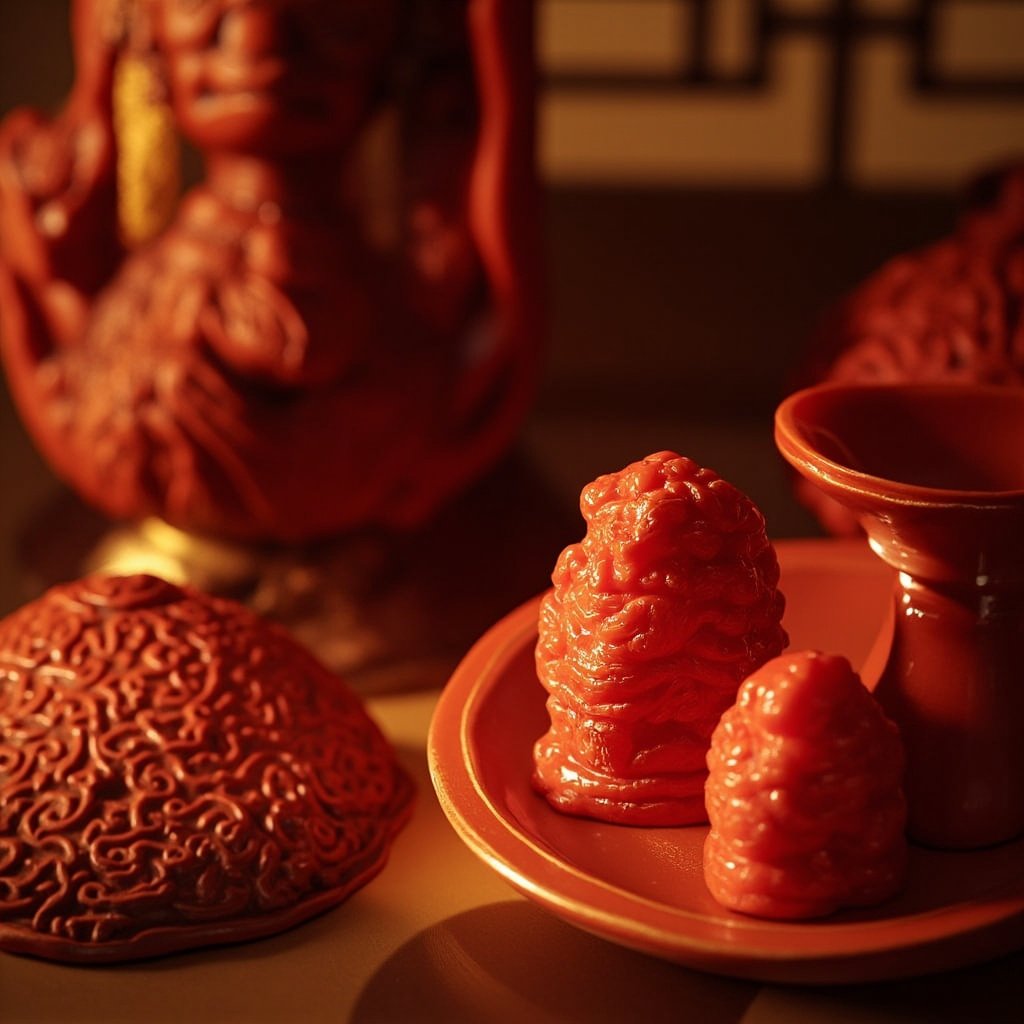
Among the tools of Chinese metaphysical practice, few carry the protective weight of cinnabar. Known as zhu sha, this deep red mineral has guarded altars, homes, and bodies for over two thousand years. Taoist priests have long used it to seal talismans, ward off harmful influences, and anchor the yang energy that keeps a home bright and safe. If you seek a genuine shield against negative chi, cinnabar feng shui belongs at the top of your list.
What Is Zhu Sha and Why Is It Powerful in Feng Shui?
Zhu sha is a naturally occurring mineral that appears in vivid crimson and vermilion tones. In traditional Chinese culture, red is the color of life, vitality, and fire — the element that dispels coldness and stagnation. Cinnabar concentrates that meaning into a single, tangible object. Ancient practitioners ground it into ink for writing protective talismans, mixed it into sealing wax, and carved it into amulets worn by officials, merchants, and travelers.
The stone’s reputation rests on three pillars. Its color corresponds to the fire element, which governs warmth, transformation, and protection. Its historical use in Taoist ritual gives it a charged symbolic lineage. And its dense, weighty feel grounds the wearer, making it a popular choice for people who feel scattered, anxious, or exposed to others’ moods.
The Fire Element Connection
In the wu xing cycle, fire is the element that clears and uplifts. A room that feels heavy, dark, or argumentative often suffers from an excess of cold energy, and fire is the classic remedy. Cinnabar brings a measured dose of fire into a space without the risk of over-stimulation that comes from aggressive red décor or bright lamps. It acts as a quiet sentinel rather than a loud alarm.
Benefits of Wearing Cinnabar Jewelry
Cinnabar bracelets and pendants are among the most requested Taoist energy products, and for good reason. Wearing the stone keeps its protective field close to your body. Regular wearers report greater calm, fewer distractions, and better sleep when a piece rests on the bedside table overnight.
- Emotional shielding: Cinnabar absorbs harsh words and hostile glances before they settle into your energy field.
- Travel protection: Many travelers carry a small zhu sha pendant or carved piece, trusting it to guard against accidents and delays.
- Focus and courage: The fire element supports decisiveness, a favorite for entrepreneurs, speakers, and students.
- Sleep quality: A piece placed under or beside the pillow is a traditional remedy for restless nights and vivid, anxious dreams.
Where to Place Cinnabar in Your Home
Placement matters as much as the stone itself. Cinnabar feng shui works best in a spot that feels vulnerable or busy, where the piece can quietly hold the space.
Entryway
The main door is the mouth of chi, through which all energy enters. A small cinnabar carving or talisman near the entrance intercepts negative influences before they travel deeper into the home. Position it at eye level on a shelf or console table, never on the floor.
Living Room
The living room is where a household gathers, which means it carries the emotional weather of everyone inside. A cinnabar piece on the television stand, bookshelf, or center table adds a stabilizing red accent that supports harmony during family time.
Bedroom
Because fire energy can be intense, use cinnabar sparingly in the bedroom. A single small piece on the nightstand or under the pillow supports restful sleep. Avoid placing large cinnabar displays directly facing the bed, as the strong protective energy can feel overwhelming in a space meant for relaxation.
Workspace
Desks absorb the pressure of deadlines, difficult calls, and office politics. A zhu sha pendant near your monitor or a carved piece on the desk corner helps you stay composed and deflects the envy of coworkers.
How to Choose a Quality Cinnabar Piece
The market is full of imitations, so knowing how to read a genuine piece protects both your wallet and your practice. Real zhu sha has a deep, saturated red with subtle veining, feels heavy for its size, and is cool to the touch. Low-grade pressed pieces look uniformly bright and feel light.
- Weight test: Authentic cinnabar is dense. If a large bracelet feels suspiciously light, treat it with caution.
- Color depth: Genuine pieces show layered red tones; cheap imitations tend to be flat and glossy.
- Carving detail: Taoist talisman carvings and bagua motifs should be crisp. Blurry details usually indicate resin or compressed powder.
- Source: Buy from sellers who can name the origin and explain the piece’s ritual use, not just its price.
Cleansing and Caring for Cinnabar
Like all protective stones, cinnabar absorbs what it deflects, so cleanse it regularly. Because it belongs to the fire element, avoid water-based methods. Instead, rest the piece in a dry, dark place overnight or pass it through sandalwood incense smoke. Once a month is enough for daily wear; cleanse more often after arguments, hospital visits, or long journeys.
Store cinnabar away from direct sunlight, which can dull its color over years. A soft cloth wipe keeps the surface bright, and a small silk pouch protects the stone while traveling. With simple care, a good piece lasts a lifetime and can even be passed down as a family heirloom.
Cinnabar in Taoist Practice: Talismans and Ritual Seals
Beyond jewelry and home décor, zhu sha remains central to Taoist ritual. Priests mix cinnabar with binding agents to write fu talismans — protective charms that are folded, burned, or carried. The vermilion seal of a Taoist master, pressed in cinnabar paste, marks documents and amulets as consecrated. For the lay practitioner, owning a ritually blessed piece amplifies its protective effect.
Combining Cinnabar with Other Feng Shui Tools
Cinnabar works well alongside other remedies when their elements do not clash. Pair it with a small brass bell or black tourmaline at the entrance for layered protection. In the wealth corner, a cinnabar seal complements a water feature, as long as fire and water keep a respectful distance. Use cinnabar as the anchor of your protection layout, with quieter stones supporting it.
Final Thoughts
Cinnabar feng shui offers one of the most direct and historically grounded forms of energy protection. Whether you choose a bracelet, a carved pendant, or a small altar piece, you are connecting to a tradition that has safeguarded homes for millennia. Place it with intention, cleanse it with care, and let the guardian stone do its quiet work.
Looking for authentic Taoist energy products? Explore our collection of cinnabar jewelry, consecrated talismans, and feng shui protection pieces crafted with traditional methods.