Blog

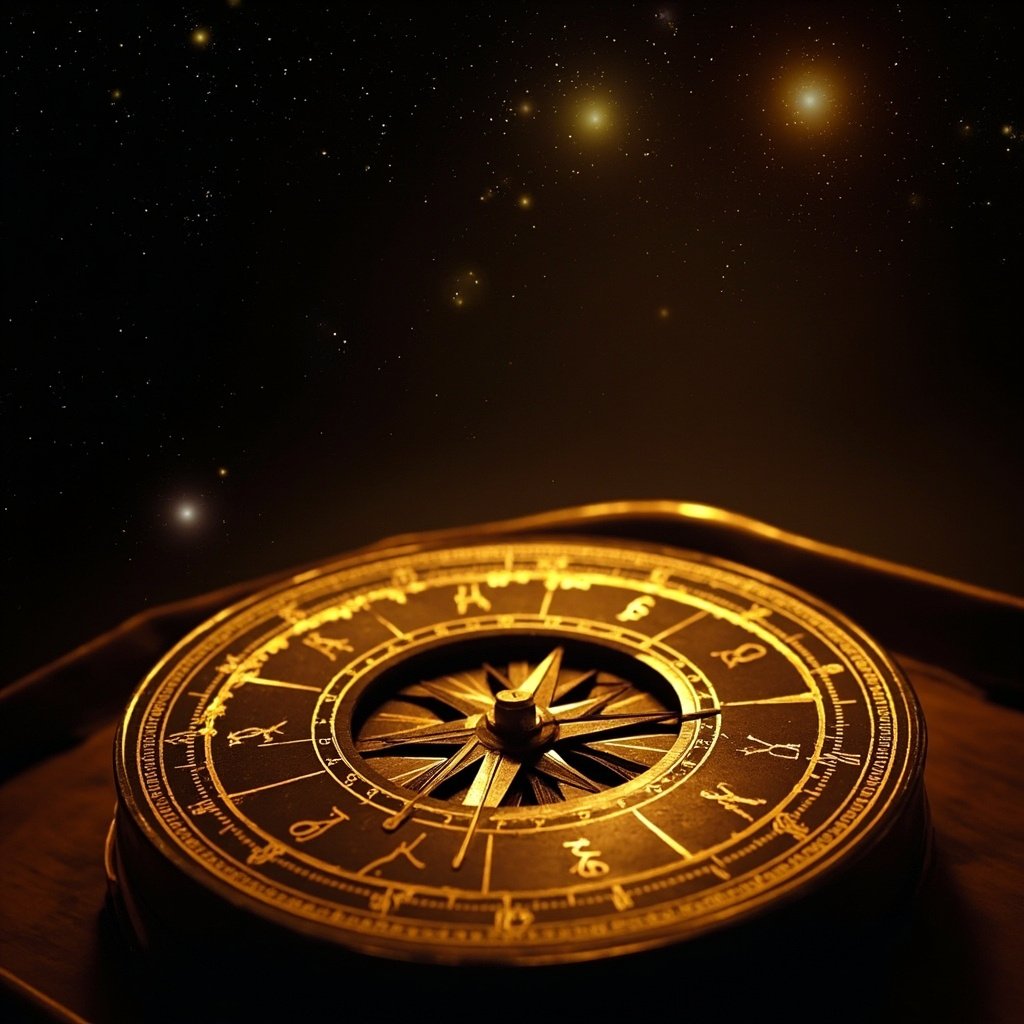
The Seven Luminaries of Tian Xing Feng Shui: A Guide to the Qiyao
Most people who encounter Chinese geomancy hear first about wind, water, and the compass. Yet at the highest levels of the tradition sits a quieter, more precise method known as Tian Xing feng shui, or celestial feng shui. Rather than reading only the forms of the land, this school reads the movements of the heavens themselves. At its heart stands a concept called the Seven Luminaries, known in Chinese as Qiyao. Understanding these seven celestial bodies is the first step toward aligning a home with the deeper rhythm of the sky.
What Are the Seven Luminaries?
The Qiyao are the seven classical wandering lights of traditional Chinese astronomy: the Sun, the Moon, and the five visible planets of Mercury, Venus, Mars, Jupiter, and Saturn. Ancient practitioners grouped the Sun and Moon with the five planets because together they explained the patterns of day, night, and season. Where modern astronomy counts hundreds of celestial objects, the Taoist sages found everything they needed in these seven.
In Tian Xing feng shui, each luminary carries a distinct quality of energy, a direction, and a set of associations. When a practitioner consults the starry chart, they are essentially asking which of these seven forces presides over a given time and place. The answer shapes everything from the orientation of a front door to the best moment to begin a renovation.
The Sun: Yang and Vitality
The Sun is the emperor of the celestial court, representing pure yang energy, authority, fame, and outward vitality. In home terms, the Sun governs the southern sector, warmth, and the visibility of a household. A space that welcomes sunlight naturally supports the Sun’s gifts: confidence, recognition, and a lively social atmosphere. When the Sun’s influence is strong in a chart, practitioners favor bright, open rooms and active spaces where family and guests gather.
The Moon: Yin and Nurture
If the Sun is the emperor, the Moon is the empress. The Moon governs yin energy, emotional depth, nurture, and the private rhythms of the household. It rules the western sector and the hours of night, and it is deeply connected to water, memory, and rest. Bedrooms, kitchens, and quiet family spaces draw on the Moon’s power. A balanced home keeps healthy amounts of both solar brightness and lunar calm rather than letting one overwhelm the other.
The Five Planetary Powers
Beyond the two primary lights, the five planets map onto the five elements that already shape classical feng shui:
- Jupiter governs the element of wood. It brings growth, learning, and expansion, and it guards the eastern sector of a home.
- Mars governs the element of fire. It carries courage, drive, and ambition, and it rules the southern direction alongside the Sun.
- Saturn governs the element of earth. It provides stability, maturity, and endurance, and it anchors the center and the late season.
- Venus governs the element of metal. It supports clarity, discipline, and refinement, and it oversees the western sector.
- Mercury governs the element of water. It encourages communication, insight, and adaptability, and it rules the northern direction.
Each planet therefore carries a double message. On one level it speaks to a direction and an element, and on another it speaks to a phase of life. Someone planning a study might favor Jupiter’s wood energy, while someone renovating an entry hall for strength might enlist Mars or Saturn.
How the Qiyao Shape Your Home
The real art of Tian Xing feng shui lies in reading how these seven forces interact at a particular moment. A home is not simply placed in space; it is also placed in time. The stars that presided over the year of construction, the month you moved in, or the season of your most active project all leave a mark on the energy of the space.
Practitioners therefore consult a celestial chart before making significant decisions. If a chart shows Venus dominant during a planned renovation, they may time metal-related work, redecoration, or interior finishing to that window. If Mars is aggressive in the same period, they caution against conflict-prone changes to the main entrance. The goal is never to force a result, but to cooperate with what the sky is already doing.
Practical Alignments for Each Luminary
A few concrete guidelines help beginners begin working with the Qiyao:
- Support the Sun by keeping the south-facing rooms bright, uncluttered, and welcoming during daylight hours.
- Honor the Moon by making sleeping and rest spaces soft, quiet, and away from heavy electronics.
- Build Jupiter’s wood energy with live plants, warm green tones, and a dedicated reading or study corner in the east.
- Channel Mars and fire with a carefully placed lamp or a single accent, never with chaotic clutter.
- Ground Saturn’s earth with solid furniture, earthy colors, and a stable central living area.
- Invite Venus’s metal by keeping tools, entry hardware, and decorative metal pieces clean and orderly in the west.
- Encourage Mercury’s water flow by keeping the north sector, entry, and any water features clear and free of blockages.
Bridging the Seven Stars and Your Practice
Tian Xing feng shui is not an alternative to classical feng shui but a deeper layer beneath it. The compass directions of the traditional school and the celestial movements of the Qiyao agree far more often than they differ. Learning the Seven Luminaries gives you a vocabulary for why a direction or a placement feels right in a given year, rather than simply trusting a rule without understanding it.
For beginners, the most valuable first step is observation. Notice which rooms feel lively and which feel drained at different times of day and year. Keep a simple journal of the Sun’s brightness, the Moon’s phases, and how each sector of your home responds. Over time, the movements of the Seven Luminaries stop being abstract and begin to explain the everyday character of your living space.
Aligning Your Home with Celestial Energy
Ready to bring the Seven Luminaries into your own space? Begin with the direction that matters most to you whether that is the bright southern sector of family life, the quiet western sector of rest, or the northern entryway of opportunity. Make one deliberate improvement there, observe the change for a full lunar month, and let the stars guide your next step.
The heavenly bodies have kept their rhythms for millennia, and they will keep them long after any single home has faded. Tian Xing feng shui simply teaches us to live in time with that steady, ancient music. Align a little more closely with the Sun, the Moon, and the five planets, and your home begins to feel less like a collection of rooms and more like a place that breathes with the sky itself.