Blog

Tian Xing Feng Shui: The Ancient Art of Celestial Energy Alignment
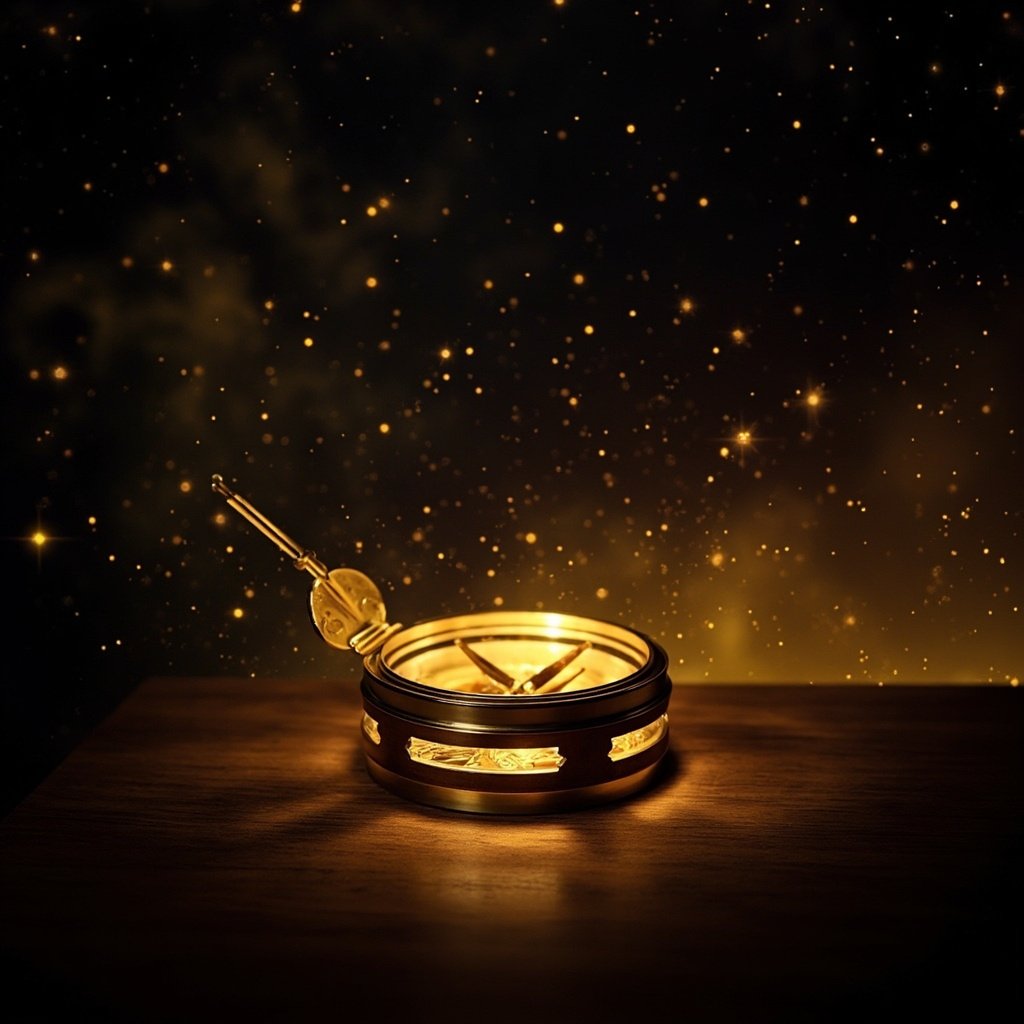
Most Western readers encounter feng shui through the ba gua mirror or the commanding-position bed placement. Yet beneath this popular layer lies a far older and more profound discipline: Tian Xing Feng Shui, or Celestial Feng Shui. This branch of Chinese metaphysical science reads the energetic imprint of stars, constellations, and planetary movements — then applies that knowledge to harmonize human dwellings with the heavens themselves.
What Is Tian Xing Feng Shui?
Tian Xing Feng Shui translates literally as “Heaven Star Wind Water.” It is the most esoteric of the feng shui traditions, predating the more widely practiced Form School and Compass School by centuries. While conventional feng shui analyzes landforms, water courses, and compass directions, Tian Xing focuses on the energetic signatures of celestial bodies — the Seven Stars of the Northern Dipper, the Twenty-Eight Lunar Mansions, and the fixed stars that governed ancient Chinese astrology.
Practitioners believe that every location on earth receives a unique stellar energy field. A building constructed under an auspicious star configuration channels vitality, clarity, and fortune. A home aligned with inauspicious celestial patterns may attract stagnation or decline. The practice requires deep knowledge of both astronomy and the Chinese calendar system, making it one of the most specialized skills within the broader metaphysical tradition.
The Seven Stars and the Northern Dipper
Central to Tian Xing practice is the Northern Dipper, known in Chinese as Bei Dou. These seven stars are not merely navigation aids — they are regarded as celestial governors that oversee human fate. Each of the seven stars rules a specific life domain:
- Tan Lang — Wood star governing creativity and personal magnetism
- Ju Men — Earth star influencing communication and public speech
- Lu Cun — Earth star connected to wealth accumulation and career growth
- Wen Qu — Water star associated with academic success and literary talent
- Lian Zhen — Fire star governing discipline, integrity, and authority
- Wu Qu — Metal star linked to military prowess and decisive action
- Po Jun — Water star representing breakthrough energy and transformative change
In Tian Xing Feng Shui, the positions of these stars relative to a building’s central axis determine which life energies are activated. A skilled master calculates not only the current star positions but also their cyclical movements over years and decades, producing forecasts that guide renovation timing, business launches, and even family planning.
Celestial Influences on Daily Life
The influence of Tian Xing extends far beyond abstract cosmology. Practitioners apply stellar alignments to resolve specific, tangible problems. A home experiencing chronic financial difficulty may sit under a depleted Wood star sector. A family facing repeated illness may occupy a space conflicted with an inauspicious Earth star. The remedy involves recalibrating the interior space to realign with favorable celestial forces.
Common applications include:
- Residential harmony — Adjusting bedroom and study placements to match the occupant’s natal star chart
- Business prosperity — Aligning office entrances with auspicious star periods for revenue growth
- Protective shielding — Using metal or water elements to neutralize hostile star energies during unfavorable astrological cycles
- Spiritual cultivation — Positioning meditation spaces under stars associated with clarity and inner peace
Taoist Energy Tools for Celestial Alignment
Aligning a home with Tian Xing principles often requires specialized tools. Traditional Taoist implements carry the vibrational signatures needed to bridge heaven and earth energies. At Yihui Store, several products are crafted specifically for this purpose:
- Hand-inscribed talismans — Carrying celestial characters that resonate with specific star frequencies, these talismans are placed in sectors requiring energetic correction
- Purple Star amulets — Linked to the Zi Wei (Purple Star) that ancient astronomers considered the celestial emperor’s seat, these amulets stabilize the central energy field of any space
- Bagua mirrors with celestial inscriptions — Traditional bagua mirrors enhanced with star symbols for redirecting hostile stellar influences at entrances and windows
- Energy-clearing incense blends — Formulated with herbs and resins that correspond to specific star energies, used during seasonal transitions to refresh a space’s celestial alignment
Why Tian Xing Matters Now
Interest in Tian Xing Feng Shui has grown considerably among Western spiritual seekers in recent years. As more people look beyond surface-level feng shui advice, they discover the depth and precision of celestial energy work. The practice offers something that modern interior design cannot: a direct, calibrated relationship between a dwelling and the cosmos.
Unlike purely decorative approaches to feng shui, Tian Xing does not rely on intuition or aesthetic preference. It is a systematic discipline grounded in centuries of astronomical observation. Every placement has a rationale rooted in star positions that can be calculated and verified. For those who value precision alongside spirituality, this makes Tian Xing exceptionally appealing.
Getting Started with Celestial Feng Shui
Beginners need not master the full star calendar to benefit from Tian Xing principles. A practical starting point is to identify the Northern Dipper’s seasonal position and orient a home’s main living area toward its most favorable aspect. Combining this with a protective amulet or inscribed talisman creates an immediate energetic shift that many report as a greater sense of stability and clarity.
For those ready to dive deeper, consulting a qualified Tian Xing practitioner who can generate a personalized star chart for a home or office is the next step. The chart reveals which sectors carry benefic or malefic star energy for the current year and recommends specific remedies. Over time, residents learn to read the celestial rhythms themselves, developing an intuitive relationship with the sky that their ancestors once took for granted.
Tian Xing Feng Shui reminds us that a home is never just a structure of wood and concrete. It is a receiver of energies that stream from distant stars — energies that have shaped human destiny since the first stargazer looked up and recognized a pattern. By learning to work with those celestial forces, we transform our spaces into aligned, thriving sanctuaries.
Explore authentic Taoist celestial tools at Yihui Store — where ancient star wisdom meets modern living.