Blog
Understanding Yin and Yang in Modern Home Design: 7 Timeless Principles for Balance

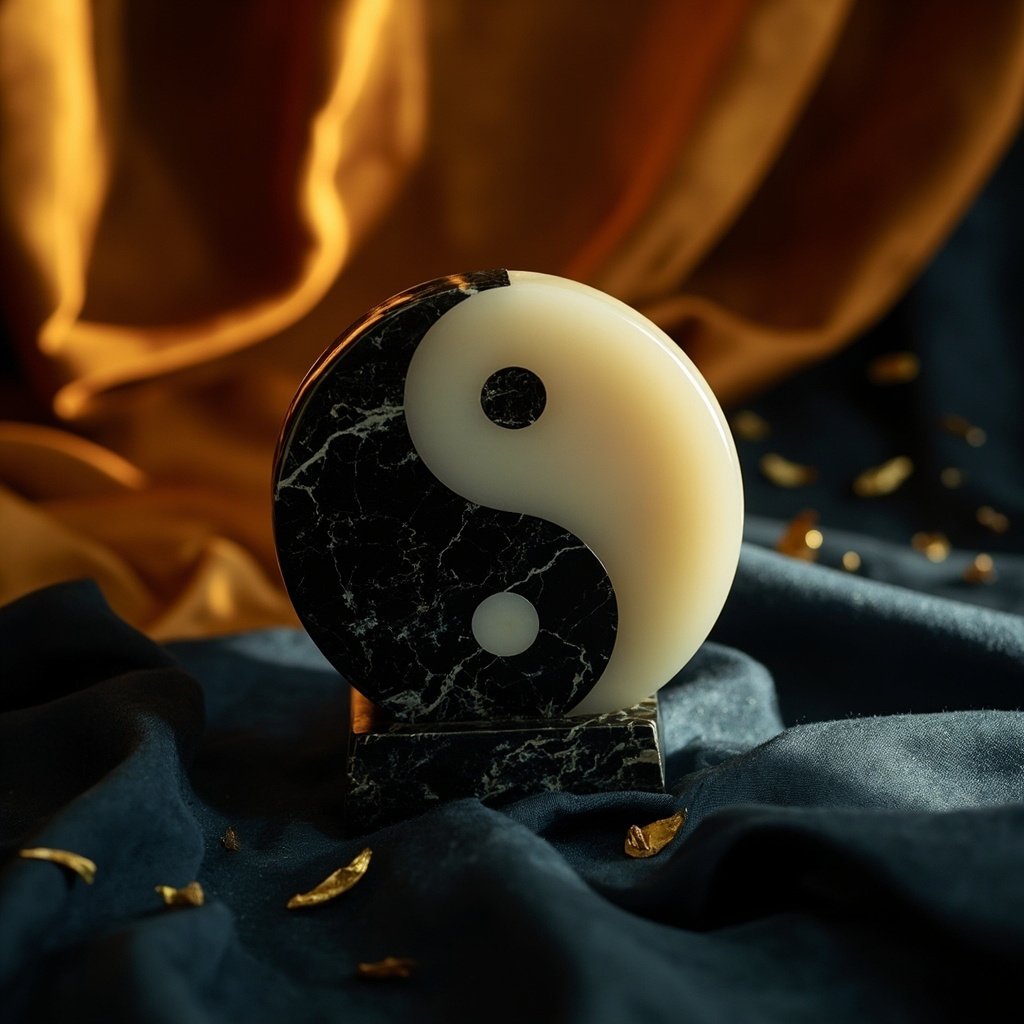
What if the secret to a peaceful, productive home was written into the fabric of the universe thousands of years ago?
The ancient Chinese concept of Yin and Yang — the dynamic interplay of opposing yet complementary forces — is one of humanity’s most enduring frameworks for understanding balance. Originally used to describe the rhythms of nature, seasons, and human health, it is, at its core, a philosophy of design.
In this guide, Master Zhao, a 7th-generation Tianxing Feng Shui inheritor, walks you through seven practical principles for bringing Yin-Yang balance into your modern home — whether you live in a Manhattan apartment, a Sydney terrace, or a countryside cottage.
What Yin and Yang Mean in the Home
Before we rearrange the furniture, let’s clarify the basics.
Yin is the receptive, calming, feminine energy — softness, darkness, stillness, coolness, curves. Think of a dimly lit reading nook with plush cushions and the gentle sound of rain.
Yang is the active, bright, masculine energy — light, warmth, sound, movement, straight lines. Picture a sunlit kitchen with open counters, fresh herbs on the windowsill, and the hum of morning activity.
Balance is not 50/50. It is dynamic harmony — the right proportion of each for the room’s purpose. A bedroom needs more Yin (rest). A home office needs more Yang (focus). A living room needs both (connection and relaxation).
1. Light: The Most Direct Expression of Yang
Natural light is pure Yang energy. Homes flooded with morning sunlight feel alive, energetic, and inviting. But too much Yang — harsh overhead fluorescents, unfiltered afternoon glare — creates anxiety and restlessness.
Balance it with:
- Sheer linen curtains that diffuse harsh light (Yin softness meets Yang brightness)
- Warm 2700K-3000K bulbs for evening zones (reading corners, bedrooms)
- Layered lighting: overhead + task lamp + accent candle
- Salt lamps — their amber glow and natural crystal form bring both Yin (soft light) and Earth energy
If your home has limited natural light (too Yin), use mirrors strategically to reflect light across the room, and choose warm metallic accents — brass, copper, gold — to introduce Yang points.
2. Color: The Energy Language of Your Walls
Color is the most accessible Feng Shui tool. Every hue carries a charge on the Yin-Yang spectrum.
Yang colors (active, warming): reds, oranges, bright yellows, crisp whites. Use sparingly — an accent wall, artwork, or statement vase.
Yin colors (calming, cooling): deep blues, soft greens, charcoal, earthy browns, muted grays. These form the backbone of restful spaces.
Pro tip from Master Zhao: The most balanced homes use a 70-20-10 rule — 70% neutral backdrop (Yin base), 20% medium-energy tones (transition), 10% vibrant accents (Yang points). This creates visual harmony without overstimulation.
In open-plan living areas, carry the same neutral base from kitchen to lounge, then define zones with accent colors. A deep teal reading corner (Yin) connected to a sunlit yellow breakfast nook (Yang) creates a living dialogue between energies.
3. Shapes and Lines: The Geometry of Energy
Straight lines, sharp angles, and geometric patterns are Yang — they direct energy quickly and decisively. Curves, circles, and organic forms are Yin — they slow energy down and invite contemplation.
The problem with modern minimalism: Many contemporary homes are all straight lines — square sofas, rectangular coffee tables, sharp-edged media units. This is Yang-heavy. The energy moves too fast.
Balance with:
- A round or oval coffee table (introduces Yin flow)
- Floor cushions or poufs with soft curves
- Architectural arches (if renovating) or arched mirrors and doorways
- Organic shapes in decor — driftwood sculptures, round ceramic bowls, flowing curtain drapes
The most powerful Yin-Yang shape combination? A square dining table (Yang) with rounded corners (Yin). The energy is grounded yet gentle.
4. Materials: Earth Meets Air
Every material carries an energetic signature.
Yang materials: Metal, glass, polished stone, concrete — hard, reflective, cool to the touch. They energize a space but can feel cold alone.
Yin materials: Wool, cotton, silk, wood, bamboo, clay — soft, warm, porous. They ground and comfort.
A glass-and-concrete loft might look spectacular in a magazine, but lived in, it can feel harsh and unwelcoming. The fix is simple: introduce Yin textures. A chunky wool throw, a linen sofa, wooden cutting boards on open shelves, ceramic vases with dried flowers.
For the bedroom — your most Yin space — prioritize natural fibers: cotton or linen bedding, wool rugs, wooden bed frames. Avoid metal bed frames if possible; they introduce Yang energy into your rest zone.
5. Sound and Silence: The Invisible Energy
Sound is pure Yang — it moves, vibrates, demands attention. Silence is Yin. Most modern homes tip too far toward Yang noise: the hum of appliances, notification pings, traffic bleed.
Restore the balance:
- Place a small water fountain in the entryway — the gentle trickle introduces Yin calm while masking harsh outdoor noise
- Use rugs and tapestries to absorb echo (Yang noise reflected off hard surfaces)
- A set of wind chimes in a breezy window — the randomness of wind creates natural, unpredictable sound (the ultimate Yin-Yang dynamic)
- Designate at least one corner as a “silence zone” — no screens, no speakers, just a comfortable chair with good natural light
6. Greenery: The Living Balance
Plants are the most natural Yin-Yang harmonizers. They breathe (movement = Yang) while grounding (roots = Yin). Their green color sits at the center of the visible spectrum — the color of perfect balance.
Best plants for Yin-Yang balance:
- Snake plant (Sansevieria): Strong upright leaves (Yang) with soft green variegation (Yin). Thrives in low light.
- Pilea peperomioides (Chinese Money Plant): Rounded Yin leaves on straight Yang stems. Classic Feng Shui prosperity plant.
- Boston fern: Cascading, feathery fronds — pure Yin. Softens any harsh corner.
- Fiddle-leaf fig: Broad, sculptural leaves (Yin shape) with upward-reaching growth (Yang direction).
Place plants in the East (health) or Southeast (wealth) sectors of your home for maximum benefit.
7. The Entryway: Where Balance Begins
In Feng Shui, the entryway (Ming Tang) is where energy enters your home. It should be the most balanced space you design.
A balanced entryway checklist:
- Good lighting (Yang) softened by a warm-toned lampshade (Yin)
- A mirror (Yang-reflective) in an organic frame (Yin-curve)
- A small table (square Yang shape) with a ceramic bowl or vase (round Yin shape)
- Fresh flowers or a small plant (living balance)
- A shoe rack that keeps clutter off the floor (clutter is stagnant energy)
If your front door opens directly into a living area (common in modern apartments), use a room divider or open shelving unit as a subtle boundary.
Bringing It All Together
Yin-Yang design is not about rules. It is about awareness. Walk through your home and notice: which rooms feel too bright, too dark, too cluttered, too empty? Each imbalance is a message.
The goal is not a perfectly measured 50/50 split — it is a home that feels right. A home where you can both rest deeply and act decisively. A home that breathes with you.
At Yihui Store, we curate tools to support your journey toward balance — from consecrated crystals and Feng Shui charms to personalized consultations with Master Zhao.
—
🌐 yihui.store / yihui.one
💬 Free consultation: WeChat 8613807250767
— Master Zhao, 7th-generation Tianxing Feng Shui inheritor